
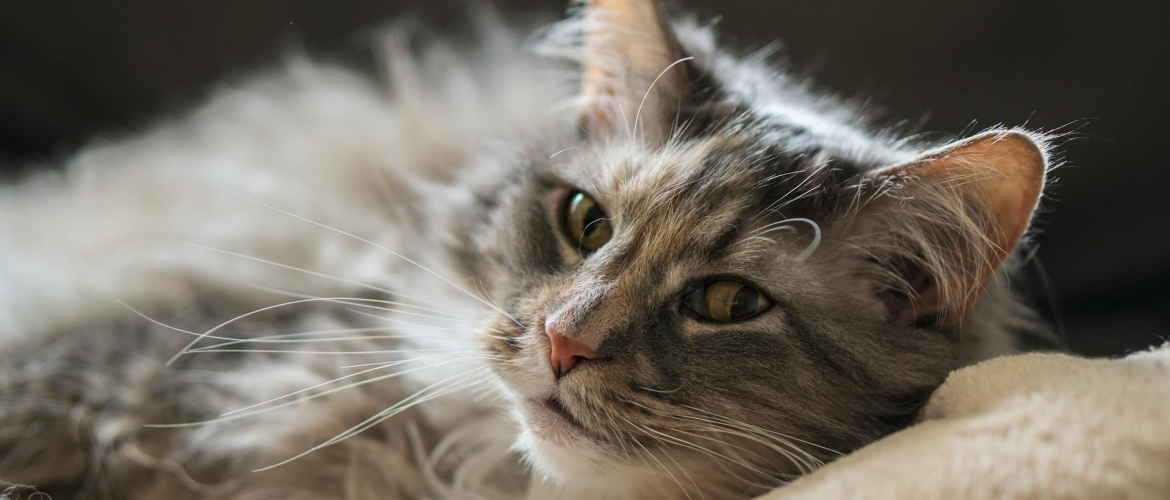
Every cat owner loves the warmth and companionship of their furry friend. But one thing many find frustrating is cat shedding, especially when fur seems to cover every surface in the house. In this blog, you will learn what cat shedding season is, when it happens, why it becomes more intense at certain times, and practical ways to manage it so that your home stays cleaner and your cat stays comfortable. You will also discover helpful tips on grooming, diet, and lifestyle that can greatly reduce loose fur and keep your cat happy and healthy.
What Is Cat Shedding Season?
All cats shed to some degree, but at certain times of the year, the shedding increases. This period is called shedding season, and it happens because cats naturally adjust their coats based on changes in light, temperature, and seasons.
Shedding is a natural process that allows cats to lose old or damaged hair and grow new fur. It is more noticeable in long-haired breeds, but short-haired cats also shed fur.
The key reasons shedding seasons stand out are:
- Change in daylight hours (especially spring and fall)
- Body adjusting to warmer or cooler seasons
- Natural growth cycle of hair
When Does Shedding Season Happen?
Although cats shed throughout the year, there are times when shedding increases significantly:
Main Shedding Peaks
- Spring Shedding Season
- Happens as temperatures rise
- Cats remove dense winter fur
- Loose hair increases significantly
- Fall Shedding Season
- Prepares cats for colder weather
- Old summer fur makes way for thicker coats
- Shedding becomes more noticeable
Indoor cats may shed more evenly because they don’t experience strong outdoor temperature changes, but they still have shedding peaks tied to light exposure and internal biological cycles.
Why Cat Shedding Gets Worse
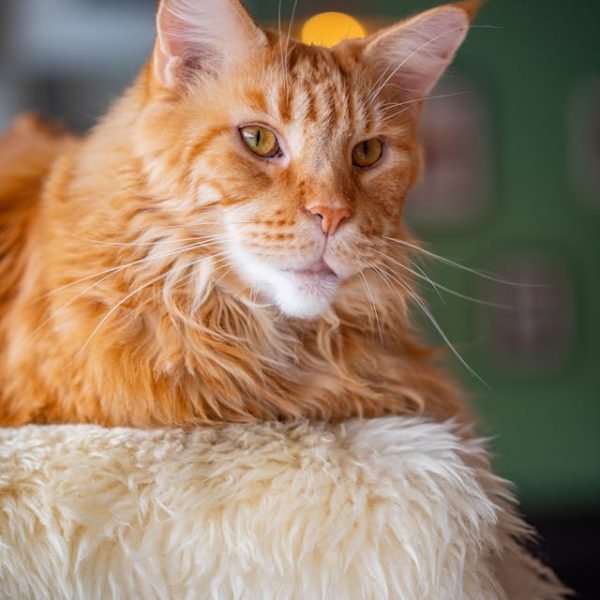
Main Causes of Heavy Shedding
- Seasonal Changes: Natural response to longer or shorter daylight hours
- Indoor Temperature and Light: Artificial heating or bright indoor lights may confuse your cat’s coat cycle
- Health and Nutrition: A poor diet can weaken hair strength, leading to more breakage and loss
- Stress or Anxiety: Cats under stress may shed more than usual
- Skin Problems or Allergies: Irritation, infections, or allergies can make shedding worse
- Lack of Grooming: Loose fur stays on the cat’s coat and ends up around your home
Why Shedding Is Not Always a Problem
It is important to understand that shedding is normal and necessary. Healthy cats shed to renew their fur and maintain their skin condition. Problems arise when shedding becomes excessive or the fur clumps, sticks to furniture, or causes skin irritation.
If shedding appears abnormal, for example, patchy bald spots, constant scratching, or inflamed skin, then it could be a sign of something more serious. In such cases, it is best to consult a vet.
How to Manage and Reduce Cat Fur Everywhere
Managing shedding doesn’t mean stopping it completely because that is natural but it does mean controlling loose fur before it ends up on your clothes, furniture, and floors.
Here are simple and effective ways to reduce the impact of shedding:
1. Regular Grooming
The most effective way to control cat fur is through regular cat grooming.
Benefits of Grooming:
- Removes loose hair before it falls around the house
- Prevents matting and tangles in long-haired cats
- Improves skin health
- Strengthens your bond with your cat
Grooming Tools You Can Use:
- Slicker brush
- Rubber grooming mitt
- Fine-tooth comb for long coats
Grooming Tips:
- Brush your cat daily during shedding seasons
- Use gentle strokes and be patient
- Reward your cat with praise or a treat to make grooming pleasant
2. Balanced Diet
Good nutrition helps your cat maintain healthy skin and a strong coat.
What to Include in Diet:
- High-quality protein
- Omega-3 and Omega-6 fatty acids
- Vitamins and minerals that support skin and coat health
If your cat’s fur looks dull or shedding increases, consider checking the diet or asking a vet for a recommended food brand.
3. Hydration Is Important
Proper hydration ensures healthy skin. Dry skin can lead to itchy skin and more shedding.
Ways to Encourage Hydration:
- Provide fresh water daily
- Use a cat water fountain if needed
- Add wet food to your cat’s diet
Hydrated skin means a healthier coat and less fur around your home.
4. Home Cleaning Routine
Even with regular grooming, some fur will still end up in your living spaces. Here’s how to keep it under control:
Cleaning Tips:
- Use a vacuum with pet hair attachments
- Use lint rollers or rubber gloves on furniture
- Wash cat bedding weekly
Making cleaning a habit makes shedding feel much easier to manage.
5. Create a Comfortable Environment
Cats shed more when stressed or uncomfortable. Ensuring your cat feels safe and relaxed can reduce excessive shedding.
Comfort Tips:
- Provide cozy resting areas
- Keep a consistent routine
- Use calming products if your cat feels anxious
A calm cat sheds less dramatically and stays healthier.
6. Professional Grooming Support
Sometimes grooming at home may not be enough, especially for long-haired cats.
Professional grooming services can:
- Handle difficult coats
- Provide deep grooming
- Help with deshedding treatments
- Spot potential skin issues early
Signs You Should Talk to a Vet
Shedding is normal, but if you notice any of the following, it is best to consult a professional:
- Bald patches
- Red, irritated, or flaky skin
- Constant scratching
- Signs of discomfort while grooming
- Sudden increase in shedding without a seasonal reason
These can be signs of allergies, parasites, or skin infections that require veterinary care.
Conclusion
Shedding is a normal part of your cat’s natural life cycle, but when it becomes overwhelming, it can affect your home’s cleanliness and your cat’s comfort. By understanding when shedding seasons happen, why they get worse, and how to manage fur with grooming, diet, hydration, and environment, you can keep your living space cleaner and your cat healthier. Regular brushing, a balanced diet, and good cleaning habits make a significant difference. For pet parents who want professional help with grooming and shedding control, services from The Wooferine offer expert care and customized solutions to keep your cat looking and feeling its best. Taking these steps will reduce loose fur and help your cat stay happy and healthy year-round.