
If you’re a dog parent, you’ve probably faced the never-ending struggle of fur on your clothes, furniture, and floors. While grooming is a regular part of pet care, many owners are often confused between de-shedding and regular grooming.
Are they the same? Does your dog need both? Or is one enough?
Understanding the difference between de-shedding and regular grooming is essential for maintaining your dog’s coat health and managing shedding effectively. In this guide, we’ll break down both processes in simple terms so you can choose what’s best for your furry companion.
What Is Regular Grooming?
Regular grooming is the basic maintenance routine that keeps your dog clean, comfortable, and healthy.
What It Includes:
- Bathing
- Brushing the top coat
- Nail trimming
- Ear cleaning
- Hair trimming or styling
Regular grooming focuses on hygiene and overall upkeep. It helps remove dirt, debris, and loose surface hair while keeping your dog looking neat.
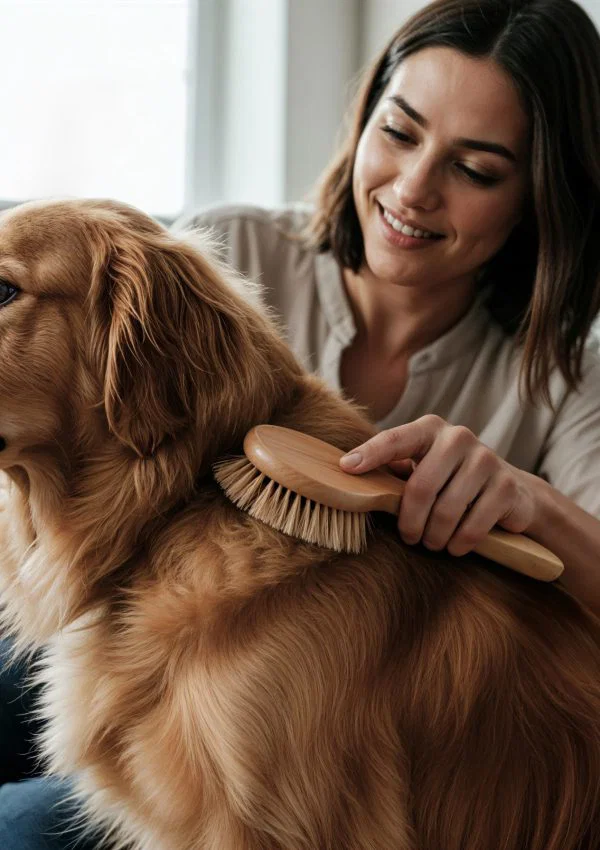
Brushing during grooming mainly works on the top layer of the coat and helps maintain shine and cleanliness, but it does not deeply remove the undercoat.
What Is De-shedding?
De-shedding is a specialized grooming process that targets the removal of loose undercoat hair.
Unlike regular grooming, de-shedding goes deeper into your dog’s coat to remove hair that is already shedding but still trapped underneath.
What It Includes:
- Use of specialized de-shedding tools
- Deep brushing to reach the undercoat
- Removal of loose, dead hair
- Coat blow-out (in professional grooming)
De-shedding focuses specifically on reducing shedding by removing excess fur before it spreads around your home.
De-shedding vs. Regular Grooming: Key Differences
Understanding the difference helps you choose the right service.
| Feature | Regular Grooming | De-shedding |
| Purpose | Hygiene & maintenance | Reduce shedding |
| Coat Level | Top coat | Undercoat |
| Tools Used | Brushes, clippers | De-shedding tools |
| Frequency | Monthly or bi-weekly | Every 4–8 weeks |
| Result | Clean and neat coat | Less hair fall at home |
Regular grooming keeps your dog clean, while de-shedding specifically targets excessive hair loss.
Why Do Dogs Shed?
Shedding is completely natural for dogs. It happens as old or damaged hair falls out and new hair grows in its place.
Common Reasons for Shedding:
- Seasonal changes
- Coat type (single vs double coat)
- Temperature and environment
- Health and nutrition
Dogs with double coats, like Huskies or Labradors, shed more heavily, especially during seasonal transitions.
Benefits of Regular Grooming
Regular grooming is essential for every dog, regardless of breed.
1. Maintains Hygiene
Keeps your dog clean and free from dirt and bacteria.
2. Prevents Matting
Regular brushing avoids tangles and knots in the coat.
3. Promotes Healthy Skin
Distributes natural oils across the coat for better skin health.
4. Early Detection of Issues
Helps identify skin infections, ticks, or injuries early.
Benefits of De-shedding
De-shedding offers targeted benefits, especially for heavy-shedding dogs.
1. Reduces Loose Hair at Home
Removes large amounts of loose fur before it spreads everywhere.
2. Improves Coat Health
Allows better air circulation and prevents skin issues.
3. Prevents Matting
Loose undercoat can tangle and cause mats if not removed.
4. Enhances Comfort
Removing excess fur helps dogs regulate body temperature better.

Which Dogs Need De-shedding?
Not all dogs require de-shedding.
Best Candidates for De-shedding:
- Double-coated breeds (Huskies, Golden Retrievers, German Shepherds)
- Dogs that shed heavily
- Pets with thick or dense coats
Dogs with single coats (like Poodles or Maltese) usually need regular grooming rather than de-shedding.
How Often Should You Choose Each?
Regular Grooming
- Every 2–4 weeks
- Essential for all dogs
De-shedding
- Every 4–8 weeks
- During shedding seasons (spring and fall)
Consistency is key. Regular sessions provide better results than occasional treatments.
Common Mistakes Pet Owners Make
- Assuming grooming alone reduces shedding
- Skipping de-shedding for heavy-shedding breeds
- Over-brushing or using the wrong tools
- Shaving double-coated dogs (which can damage the coat)
Avoiding these mistakes helps maintain a healthier coat and reduces long-term issues.
When Should You Choose De-shedding Over Regular Grooming?
Choose de-shedding when:
- Your dog is shedding excessively
- You notice fur clumps around the house
- Seasonal shedding increases
- Your dog has a thick undercoat
When Is Regular Grooming Enough?
Regular grooming is sufficient when:
- Your dog has a low-shedding coat
- There are no signs of heavy hair fall
- You want routine hygiene and maintenance
Best Approach: Combine Both
For most dogs, the best solution is not choosing one over the other, but combining both.
- Regular grooming for hygiene and upkeep
- De-shedding for managing seasonal or heavy shedding
This balanced approach ensures your dog stays clean, healthy, and comfortable.
Conclusion
Understanding the difference between de-shedding and regular grooming helps you make better decisions for your dog’s care. While regular grooming maintains cleanliness and hygiene, de-shedding targets excess hair and reduces shedding at its source.
Choosing the right grooming routine depends on your dog’s breed, coat type, and shedding pattern. In many cases, combining both services provides the best results for a healthy coat and a cleaner home.
For professional grooming and de-shedding services tailored to your pet’s specific needs, The Wooferine offers expert care designed to keep your dog comfortable, well-groomed, and looking its best.