
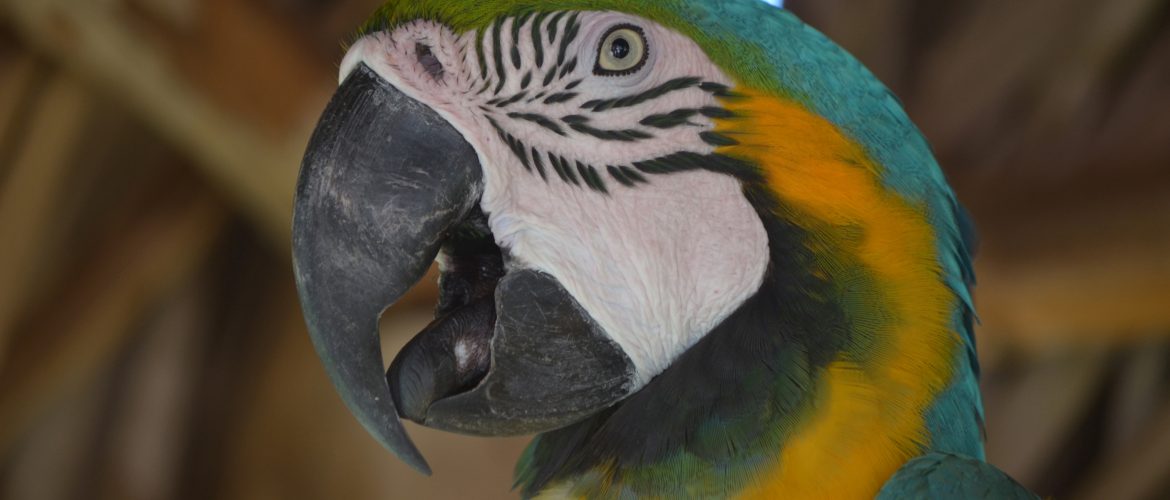
Birds rely on their beaks for almost everything: eating, climbing, grooming, and interacting with their environment. So when something goes wrong with their beak, it can directly impact their health and quality of life. One of the most common concerns bird owners face is beak overgrowth, which often leads them to search for solutions like bird beak trimming.
But before considering trimming, it’s important to understand what beak overgrowth actually is, why it happens, and why professional care is essential for correcting it safely.
What Is Beak Overgrowth in Birds?
A bird’s beak is made of keratin, the same material as human nails, and it grows continuously throughout the bird’s life. Normally, daily activities like chewing, climbing, and eating help keep the beak naturally worn down.
Beak overgrowth occurs when this natural balance is disrupted, causing the beak to grow longer, uneven, or misshapen.
This condition may appear as:
- A noticeably long or hooked upper beak
- Misaligned upper and lower beak
- Cracks, flaking, or unusual texture
- Difficulty eating or picking up food
Because the beak is essential for survival, even mild overgrowth can affect a bird’s ability to eat, groom, and maintain its health.
Why Does Beak Overgrowth Happen?
Many bird owners assume overgrowth is simply due to a lack of grooming. However, in most cases, it is a sign of an underlying issue rather than just a cosmetic problem.
1. Lack of Natural Wear
In the wild, birds constantly chew on wood, forage, and crack hard foods, which naturally keeps their beaks trimmed. Pet birds often lack these opportunities, leading to overgrowth.
2. Nutritional Deficiencies
An imbalanced diet, especially one lacking essential vitamins and minerals, can affect keratin production and lead to abnormal beak growth.
3. Medical Conditions
Beak overgrowth is commonly linked to health issues such as:
- Liver disease
- Fungal or bacterial infections
- Mites or parasites
- Past trauma or injury
In fact, experts emphasize that overgrowth is often a medical indicator rather than just a grooming concern.
4. Genetic or Viral Factors
Some birds may develop deformities due to genetic conditions or diseases like avian keratin disorder, which affects beak growth.
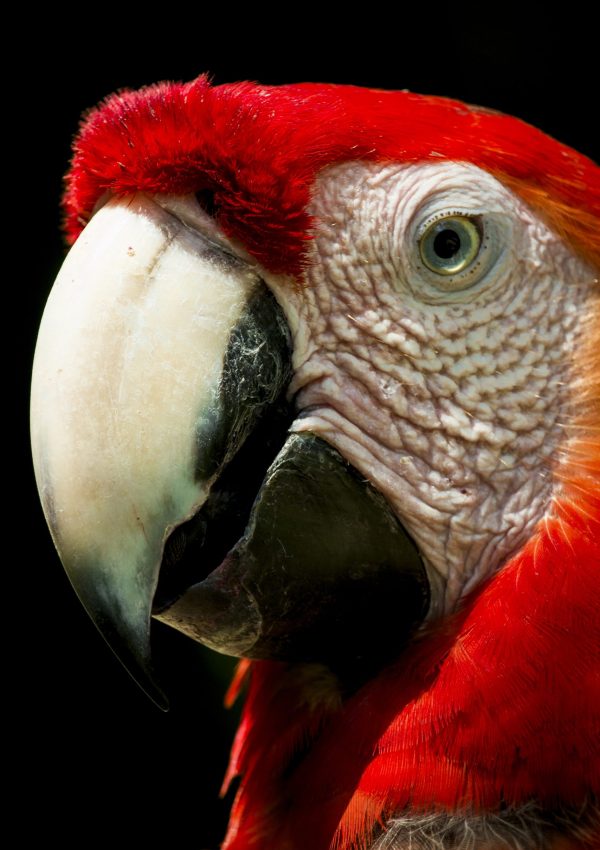
Why Beak Overgrowth Is Dangerous
Ignoring beak overgrowth can lead to serious complications.
As the beak becomes longer or misshapen:
- Birds struggle to eat properly
- Food intake reduces, leading to weight loss
- Grooming becomes difficult, affecting feathers
- The risk of injury or cracking increases
In severe cases, birds may even stop eating altogether, making the condition life-threatening.
Bird Beak Trimming: Why It Should Never Be Done at Home
When bird owners notice an overgrown beak, their first instinct is often to try bird beak trimming at home. However, this can be extremely dangerous.
This is especially true during routine wing clipping or nail care, when the bird is already being handled and additional stress should be avoided.
A bird’s beak is not like a nail; it contains:
- Blood vessels
- Nerve endings
- Living tissue
Improper trimming can cause:
- Severe bleeding
- Pain and stress
- Permanent damage or deformity
Experts strongly advise against DIY trimming because even small mistakes can harm the bird significantly.
How a Professional Groomer Corrects Beak Overgrowth Safely
Professional bird groomers or avian veterinarians are trained to perform bird beak trimming safely and effectively.
Step 1: Health Assessment
Before trimming, a professional evaluates the bird to identify any underlying health issues. This step is crucial because trimming alone may not solve the root problem.
Step 2: Safe Handling
The bird is gently restrained, usually wrapped in a towel, to minimize stress and movement during the procedure.
Step 3: Precision Trimming
Instead of cutting the beak, professionals typically use specialized tools like a rotary grinder (similar to a Dremel) to gradually shape the beak.
This method allows:
- Controlled removal of excess growth
- Reduced risk of cracking or splitting
- Greater precision near sensitive areas
Step 4: Avoiding the Blood Supply
Since the beak contains blood vessels, professionals carefully avoid cutting too deeply, preventing bleeding and pain.
Step 5: Post-Trim Care
After trimming, the bird is monitored to ensure it can eat comfortably and adjust to the corrected beak shape.
How Often Does a Bird Need Beak Trimming?
Not all birds require regular trimming. In fact, a healthy bird with a proper diet and enrichment may never need it.
However, some birds may require periodic trimming if:
- They have chronic health conditions
- Their beak grows abnormally fast
- Natural wear is insufficient
In such cases, trimming may be needed every few weeks or months, depending on the bird’s condition.
Preventing Beak Overgrowth
Prevention is always better than treatment. Bird owners can reduce the risk of overgrowth by focusing on proper care.
Provide Chewing Opportunities
Offer wooden toys, natural perches, and cuttlebones to help wear down the beak naturally.
Maintain a Balanced Diet
Ensure the bird receives proper nutrition, including vitamins and minerals essential for healthy keratin growth.
Regular Health Checkups
Routine visits to an avian vet or professional groomer can help detect early signs of overgrowth.
Observe Behavioral Changes
Watch for signs like difficulty eating, dropping food, or reduced activity because these may indicate beak issues.
When Should You Seek Professional Help?
You should consult a professional immediately if you notice:
- A rapidly growing or misshapen beak
- Difficulty eating or weight loss
- Cracks, bleeding, or discoloration
- Changes in behavior or grooming habits
Early intervention can prevent complications and ensure your bird stays healthy.
Final Thoughts
Beak overgrowth in birds is more than just a grooming issue; it is often a sign that something deeper needs attention. While bird beak trimming can restore function and comfort, it must always be performed by a trained professional to avoid injury and ensure proper care.
Understanding the causes, risks, and correct treatment approach helps bird owners make informed decisions and provide the best care for their feathered companions.
For safe, expert grooming and bird care guidance, The Wooferine offers professional services designed to keep your pets healthy, comfortable, and well cared for.