
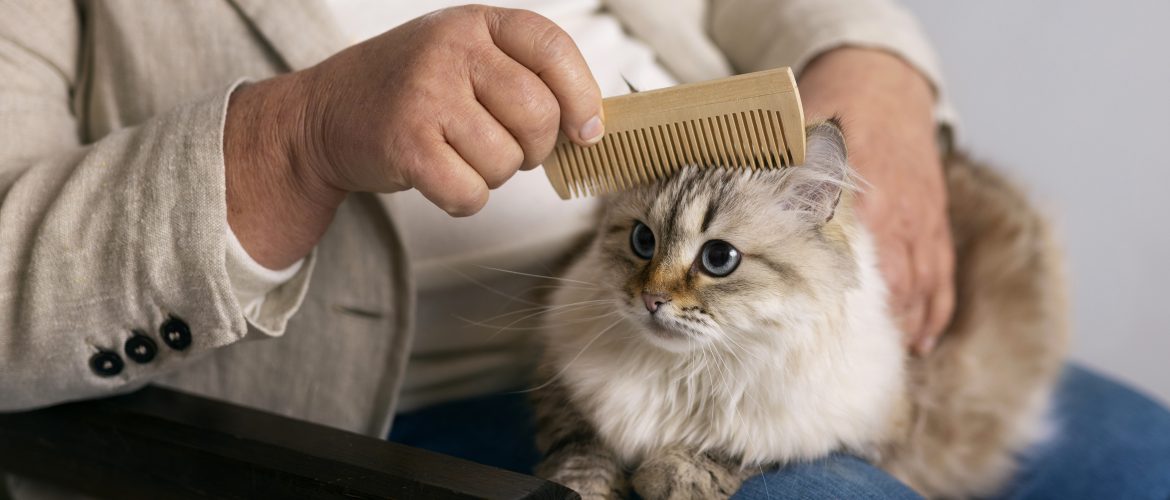
Regular grooming keeps a pet clean, comfortable, and well-maintained, but it is not always enough. When a pet develops persistent skin irritation, parasites, unusual odour, inflammation, or other health-related grooming concerns, a standard bath and haircut may not address the problem properly. This is where medicated grooming can provide more targeted care.
Understanding the difference between regular and medicated grooming helps pet parents choose the right type of care without treating every grooming concern as a routine one.
Regular Grooming and Medicated Grooming Serve Different Needs
Regular grooming is primarily focused on cleanliness, coat maintenance, hygiene, and general appearance. Depending on the pet and package, it may include bathing, brushing, hair trimming, nail clipping, ear cleaning, eye cleaning, paw care, teeth brushing, and blow drying.
Medicated grooming is more specialised. It is designed for pets that have particular skin, coat, parasite, oral, or sensitivity-related concerns that require additional attention during the grooming process.
The important point is that medicated pet grooming is not simply a more intensive version of regular grooming. It is a more careful grooming approach for situations where the pet’s health condition needs to be considered during the session.
Look Beyond the Coat: Signs Your Pet May Need Extra Care
Sometimes the need for medicated grooming is not immediately obvious. A pet may look reasonably clean while still experiencing discomfort underneath the coat.
Persistent itching or scratching
Occasional scratching can be normal, but frequent or persistent scratching deserves attention. Repeated itching can be associated with skin irritation, parasites, allergies, or other underlying issues.
If your pet constantly scratches during the day, bites certain areas, or seems uncomfortable when being touched, a regular grooming session may not be sufficient.
Red, irritated or sensitive skin
Redness, inflammation, flaky skin, excessive dryness, or visible irritation can indicate that your pet’s skin needs more careful handling.
Using unsuitable grooming products on already sensitive skin may make the irritation worse. Medicated grooming focuses on using appropriate products and techniques based on the pet’s condition rather than treating every coat in exactly the same way.
Unusual skin or coat odour
A strong or persistent smell that returns quickly after bathing can sometimes indicate more than a dirty coat.
Skin problems, moisture trapped within dense fur, infections, or other conditions can contribute to unusual odour. Grooming can help keep the affected areas clean, but persistent symptoms should also be evaluated by a veterinarian when necessary.
Parasites Change the Grooming Routine
Fleas, ticks, mites, and other parasites can make ordinary grooming more complicated.
Parasite problems can cause itching, irritation, excessive scratching, and discomfort. Simply giving the pet a normal bath may not be enough to address an infestation or prevent it from returning.
When parasite control becomes important
Consider professional assessment when you notice:
- Frequent scratching or biting of the skin
- Visible fleas or ticks
- Small dark particles around the coat
- Red or irritated areas
- Excessive licking
- Restlessness caused by itching
Medicated grooming can incorporate parasite and insect control as part of a broader pet-care routine. However, grooming should not be treated as a replacement for veterinary diagnosis or prescribed parasite medication where these are required.
Some Pets Need a Gentler Grooming Approach
Not every pet responds to grooming products in the same way. Certain animals may have sensitive skin or react to particular ingredients.
A pet that repeatedly develops irritation after routine bathing may benefit from a more carefully selected grooming approach.
Product selection matters
Medicated grooming may involve specialised shampoos, creams, gels, or other grooming materials chosen with the pet’s health and sensitivity in mind.
The goal is not to use stronger products. The goal is to use appropriate products for the pet’s specific needs.
This is particularly important for pets that have previously experienced allergic reactions, skin sensitivity, or irritation following grooming.
What About Pets With Existing Health Concerns?
Pets dealing with an infection, skin condition, disease, or recovery period may require additional consideration before grooming.
A normal grooming routine may involve products, brushing pressure, drying, or handling that is unsuitable for a pet with a current health concern.
Medicated grooming is designed to take the pet’s condition into account and provide a more delicate grooming experience.
Health comes before appearance
A shorter haircut or cleaner coat should never be the only objective when a pet is unwell.
The grooming process should prioritise comfort, hygiene, and safe handling. If the condition appears serious, painful, spreading, or worsening, veterinary care should take priority before grooming.
Pregnant, Sensitive and High-Risk Pets May Need Extra Attention
Some pets require a more cautious grooming approach because of their physical condition.
Pregnant pets, for example, may benefit from gentle handling and carefully selected grooming products. Similarly, pets with sensitive skin or a history of reactions may not be suitable for an ordinary one-size-fits-all grooming routine.
Professional groomers should be informed about any known health concerns, medications, allergies, previous reactions, or behavioural sensitivities before the grooming session begins.
This information allows the grooming process to be adapted around the pet instead of forcing the pet into a standard routine.
Medicated Grooming Can Cover More Than Bathing
Many pet parents associate medicated grooming only with medicated shampoo. In reality, a specialised grooming session can involve several areas of hygiene and care.
Depending on the pet’s needs, professional medicated grooming may include:
Medicated bathing and shampooing
Specially selected products can help clean the coat while being mindful of sensitive or problematic skin.
Skincare and checkup
The skin and coat can be observed for visible irritation, unusual changes, parasites, or areas that require additional attention.
Paw and nail care
Inflammation, dirt accumulation, overgrown nails, or irritation around the paws can affect a pet’s comfort and mobility.
Oral hygiene
Bad breath, visible buildup, or oral discomfort should not be ignored. Grooming can support everyday oral hygiene, while more significant dental problems require veterinary attention.
Parasite and insect control
When parasites or insects are suspected, grooming can form part of a broader control routine alongside appropriate veterinary treatment.
When Regular Grooming Is Still the Better Choice
Not every pet needs medicated grooming.
If your pet has healthy skin, a normal coat, no persistent itching, no visible parasite problem, and simply needs routine hygiene, regular grooming may be exactly what is required.
Regular grooming is useful for maintaining:
- A clean coat
- Healthy brushing habits
- Nail length
- Ear and eye cleanliness
- Paw hygiene
- General coat condition
- Everyday comfort
Choosing medicated grooming unnecessarily does not automatically mean better grooming. The right service is the one that matches the pet’s actual needs.
A Simple Decision Check for Pet Parents
Before booking, ask yourself a few practical questions:
Is there an active concern?
If your pet has itching, irritation, parasites, unusual odour, inflammation, or another noticeable issue, mention it before the grooming session.
Has the problem happened before?
Recurring skin or grooming problems may require more than changing shampoos. A veterinary consultation may be appropriate alongside specialised grooming.
Does your pet have known sensitivities?
Tell the groomer about allergies, previous product reactions, medications, or sensitive areas.
Is your pet currently unwell?
If your pet has a significant illness, infection, open wound, severe skin problem, or obvious pain, seek veterinary guidance before proceeding with grooming.
Conclusion
Choosing between regular and medicated grooming should not be based simply on how dirty a pet looks or how much grooming it needs. The better question is whether the pet has a specific condition that requires a more specialised and gentle approach.
For healthy pets, routine grooming can maintain hygiene and coat condition effectively. For pets dealing with sensitive skin, parasites, irritation, inflammation, or other health-related concerns, medicated grooming can provide a more appropriate level of care when combined with proper veterinary guidance.
At Wooferine, professional pet grooming in Dubai and Sharjah is designed around different grooming and care requirements, with options including basic, full, and medicated grooming for different pets and needs. Its grooming team provides services for dogs, cats, birds, and rabbits, with specialised attention to hygiene, skin care, parasite control, and overall pet comfort.