
A soft, smooth coat is a sign of a healthy and happy cat. However, many cat owners face a common problem: matted fur. These tangled clumps of hair not only affect your cat’s appearance but can also lead to discomfort, skin issues, and even infections if left untreated.
Understanding the causes of matted fur and knowing how to deal with it properly is essential for every pet parent. Whether your cat has long or short hair, matting can occur if grooming is neglected or certain health conditions arise.
In this guide, we will explain everything you need to know about cat matted fur, including its causes, safe removal methods, and practical prevention tips to keep your feline’s coat healthy.
What Is Cat Matted Fur?
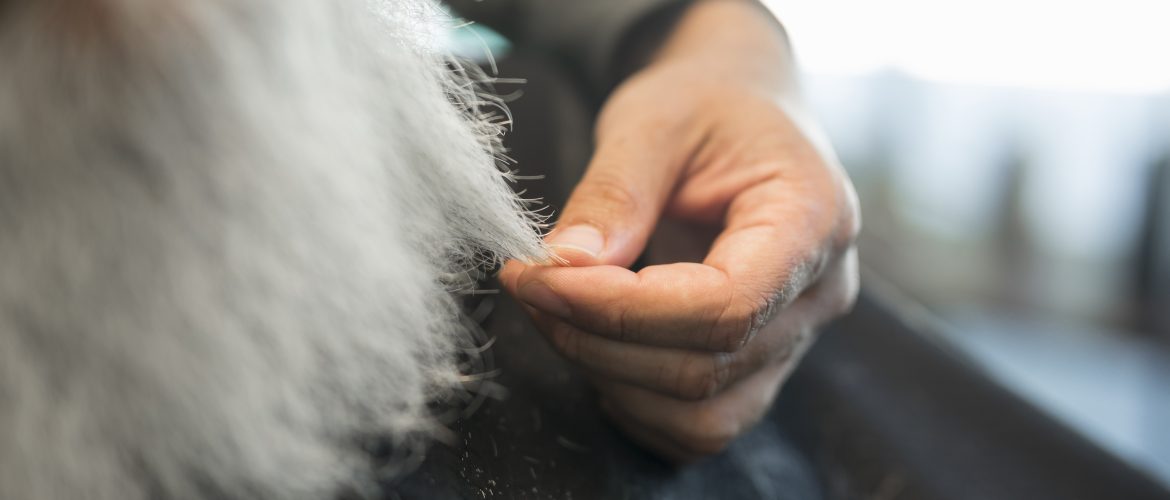
Matted fur refers to tightly tangled clumps of hair that form when loose hair, dirt, and oils get trapped and twist together. Over time, these tangles become dense and difficult to remove.
Mats can range from small knots to large, thick clumps that pull on your cat’s skin, causing pain and irritation. Severe matting can restrict movement and even hide underlying skin problems.
Common Causes of Cat Matted Fur
Understanding the root cause of matting helps in preventing it effectively.
1. Lack of Regular Grooming
Cats groom themselves, but they cannot always remove all loose hair—especially in hard-to-reach areas. Without regular brushing, loose fur accumulates and forms mats.
2. Long or Thick Coats
Long-haired breeds such as Persians and Maine Coons are more prone to matting due to their dense fur.
3. Shedding and Seasonal Changes
During shedding seasons, excess loose hair increases the chances of tangles and knots.
4. Moisture and Dirt
Wet fur from bathing, spills, or humidity can cause hair to clump together and form mats.
5. Health Issues
Cats with obesity, arthritis, or illness may groom themselves less, leading to mat formation.
6. Friction Areas
Areas like under the legs, behind the ears, and around the neck are more prone to matting due to constant movement and friction
Why Matted Fur Is a Serious Problem
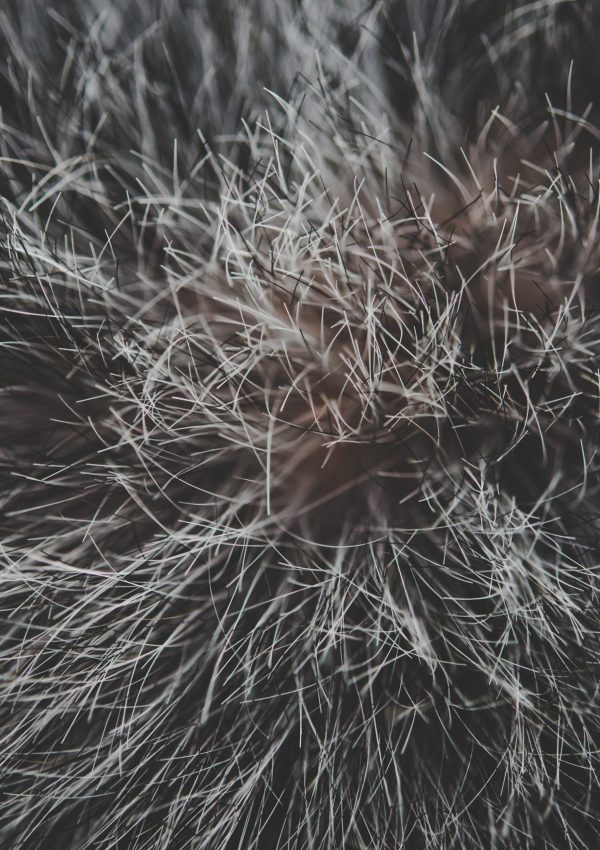
Many pet owners think mats are just a cosmetic issue, but they can cause serious problems.
1. Skin Irritation and Pain
Mats pull tightly on the skin, causing discomfort and even pain.
2. Reduced Air Circulation
Dense mats block airflow, creating a warm environment for bacteria and infections.
3. Parasite Infestation
Mats can hide fleas, ticks, and other parasites.
4. Restricted Movement
Severe matting can limit your cat’s mobility.
5. Underlying Skin Conditions
Mats can conceal wounds, rashes, or infections that go unnoticed.
How to Remove Matted Fur Safely
Removing mats requires patience and care. Pulling or cutting them incorrectly can hurt your cat.
1. Assess the Severity
- Small, loose mats can be removed at home
- Tight or large mats may require professional grooming
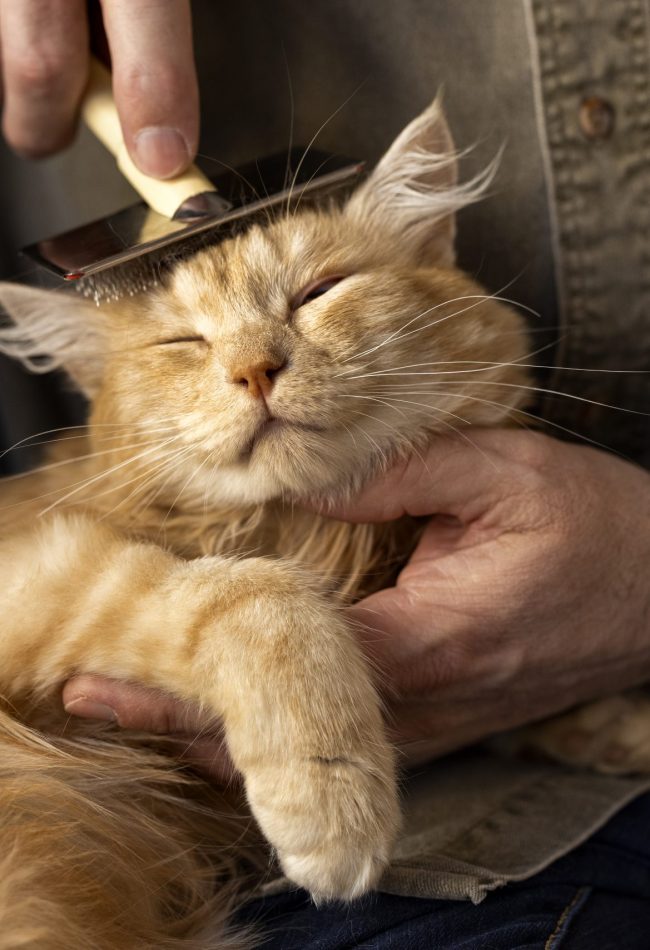
2. Use the Right Tools
- Wide-tooth comb
- De-matting tool
- Soft brush
Gently work through the mat from the edges instead of pulling from the base.
3. Hold the Fur Near the Skin
This reduces tension and prevents pain while detangling.
4. Use Detangling Sprays
Pet-safe conditioners or sprays can help loosen the mat.
5. Avoid Scissors
Cutting mats with scissors can accidentally injure your cat’s skin, which is very delicate.
6. Seek Professional Help
For severe matting, it’s best to consult professional groomers who can safely remove mats without harming your pet.
When to Visit a Professional Groomer
Professional grooming is recommended when:
- Mats are too tight or close to the skin
- Your cat becomes aggressive during grooming
- There are multiple large mats
- You notice skin irritation or infection
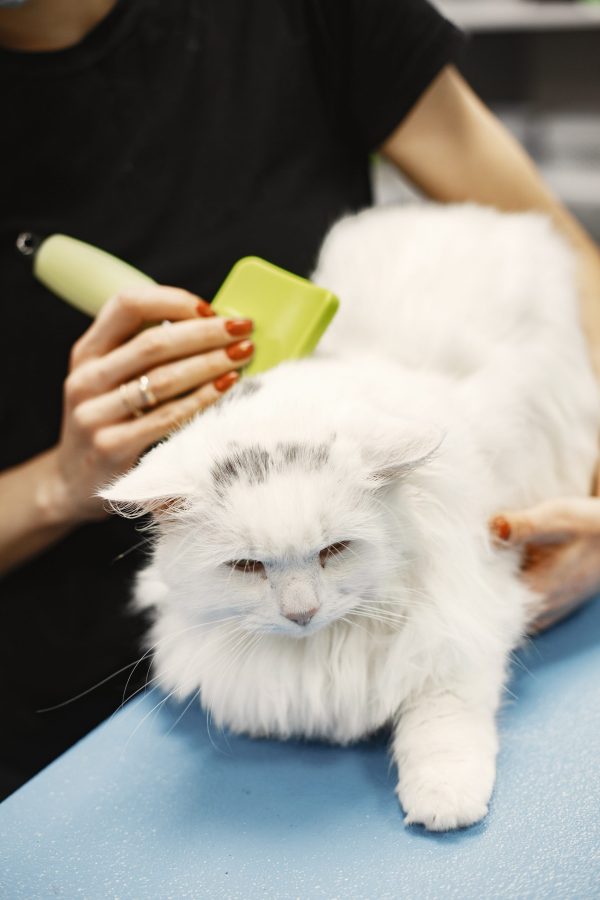
Experienced groomers use specialized tools and techniques to ensure safe and stress-free removal.
How to Prevent Cat Matted Fur
Prevention is always easier than removal. Regular care can keep your cat’s coat smooth and healthy.
1. Brush Your Cat Regularly
- Long-haired cats: Daily brushing
- Short-haired cats: 2–3 times a week
Regular brushing removes loose hair and prevents tangles.
2. Maintain a Grooming Routine
Consistent grooming helps manage shedding and keeps the coat clean.
3. Keep the Coat Dry
Always dry your cat properly after bathing to prevent clumping.
4. Focus on Problem Areas
Pay extra attention to areas prone to matting, such as:
- Underarms
- Belly
- Behind ears
- Tail
5. Provide a Healthy Diet
Good nutrition supports a healthy coat and reduces excessive shedding.
6. Regular Professional Grooming
Periodic grooming sessions help maintain coat health and prevent severe matting.
Common Mistakes to Avoid
- Ignoring small tangles until they worsen
- Using human grooming tools
- Pulling or cutting mats aggressively
- Skipping regular brushing
- Bathing without proper drying
Avoiding these mistakes helps keep your cat comfortable and stress-free.
Benefits of Proper Coat Care
Maintaining your cat’s coat offers multiple benefits:
- Prevents pain and discomfort
- Improves skin health
- Reduces shedding at home
- Enhances your cat’s appearance
- Strengthens the bond between you and your pet
A well-groomed cat is not only healthier but also happier.
Conclusion
Cat matted fur is a common issue, but with the right care and attention, it can be easily managed and prevented. Understanding the causes, using safe removal techniques, and maintaining a regular grooming routine are key to keeping your cat’s coat in top condition.
Ignoring mats can lead to discomfort and health problems, so it’s important to address them early and seek professional help when needed. Consistent grooming not only improves your cat’s appearance but also ensures long-term health and comfort.
If your cat is a heavy shedder, seasonal fur buildup can make matting worse between grooming sessions; see our guide on cat shedding season for ways to keep loose fur under control.