
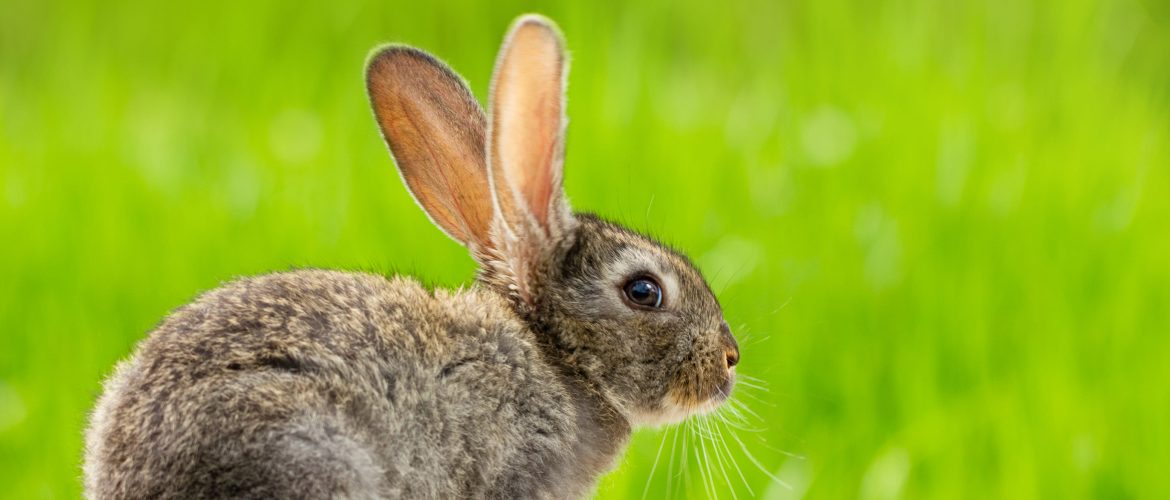
Many rabbit owners focus heavily on diet, cage setup, and grooming routines, but one of the most important parts of rabbit care is often overlooked until a serious problem develops with dental health. Unlike many other pets, rabbit teeth never stop growing. This means even a small imbalance in chewing, jaw alignment, or diet can eventually lead to painful dental complications.
What makes the situation more concerning is that rabbits naturally hide discomfort extremely well. A rabbit may continue eating, moving, and behaving relatively normally while silently struggling with severe dental pain. By the time obvious symptoms appear, the condition may already be advanced.
This is why understanding proper rabbit dental health is essential for every rabbit owner in the UAE. Dental problems not only affect eating but also impact grooming habits, coat cleanliness, skin condition, and overall comfort. In many cases, professional groomers are among the first people to notice the early warning signs owners miss at home.
This guide explains why rabbit dental disease is so common, how it affects grooming behaviour, the warning signs to watch for, the connection between diet and teeth, and how professional grooming sessions help detect hidden problems early.
Rabbit Teeth Never Stop Growing
One of the most surprising facts about rabbits is that their teeth continuously grow throughout their lives. Rabbit teeth can grow up to 1 centimetre per month when not worn down properly.
In the wild, rabbits naturally wear down their teeth by constantly chewing fibrous plants, grass, and rough vegetation. Domestic rabbits, however, often live very different lifestyles and may not chew enough natural fibre to maintain healthy tooth wear.
When teeth do not wear down evenly, they begin to overgrow. This can create:
- Sharp points inside the mouth
- Jaw alignment problems
- Difficulty chewing food
- Pain while eating
- Mouth injuries
Over time, untreated overgrowth becomes one of the most serious rabbit teeth problems owners can face.
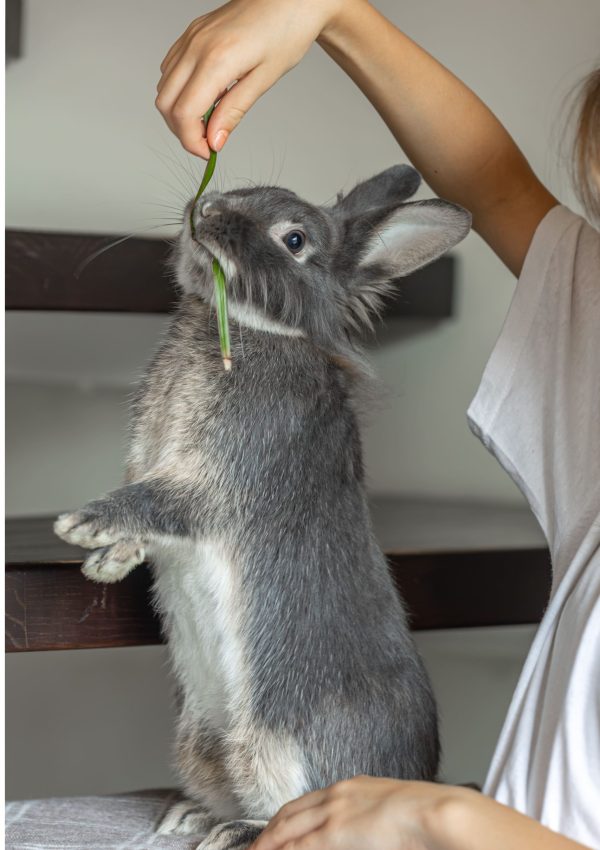
Why Dental Disease Is So Common in Rabbits
Dental disease is one of the most common health issues in rabbits, yet it is also one of the most overlooked.
This happens because:
- Rabbits hide pain instinctively
- Symptoms develop gradually
- Owners may mistake signs for normal behaviour
- Problems often begin inside the mouth where they are difficult to see
A rabbit may continue eating small amounts while silently avoiding painful chewing motions. Some rabbits even adapt their eating style temporarily, making the issue less noticeable initially.
This is why proper rabbit health Dubai care should always include regular checks for subtle behavioural and physical changes.
How Dental Problems Affect Grooming and Coat Health
Many owners do not realize how strongly dental health affects a rabbit’s ability to groom itself properly.
Healthy rabbits naturally groom themselves throughout the day. But when dental pain develops, grooming becomes uncomfortable or difficult.
This can quickly lead to:
- Fur matting
- Dirty fur around the mouth
- Wet chin areas
- Skin irritation
- Unclean bottom areas
- Urine staining
- Skin sores
Rabbits experiencing pain may stop cleaning certain parts of their body entirely.
This connection between grooming and dental care is one reason professional rabbit grooming services in Dubai are more important than many owners realize.
Early Signs of Dental Problems Owners Often Miss
Because rabbits hide discomfort so effectively, early symptoms are usually subtle.
Here are some of the most common signs of overgrown rabbit teeth that owners should watch carefully.
Reduced Appetite
A rabbit with dental pain may still approach food but eat more slowly or choose softer foods instead of hay. This often gets mistaken for picky eating.
Drooling or Wet Chin Fur
Excess saliva is one of the clearest warning signs of dental discomfort. The fur around the mouth or chin may appear:
- Wet
- Clumped
- Discoloured
- Matted
Persistent moisture can also cause skin irritation.
Runny Eyes
Overgrown tooth roots can place pressure near the tear ducts, leading to watery or constantly wet eyes. Many owners mistake this for an eye infection instead of a dental issue.
Facial Swelling
Swelling around the jaw or cheeks may indicate infection, tooth root problems, or severe dental disease. This should always be checked by a veterinarian immediately.
Pawing at the Mouth
Some rabbits repeatedly rub or paw at their mouth due to irritation or pain inside the oral cavity.
Changes in Grooming Habits
A rabbit struggling with discomfort may stop grooming properly, leading to dirty fur and matting.
Professional rabbit grooming in Sharjah and Dubai often reveals these changes earlier than owners notice at home.
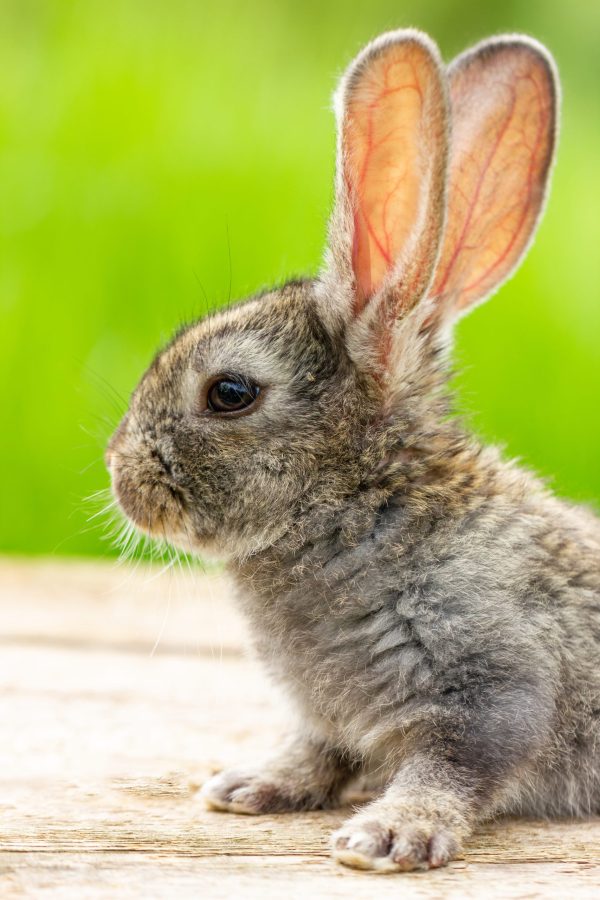
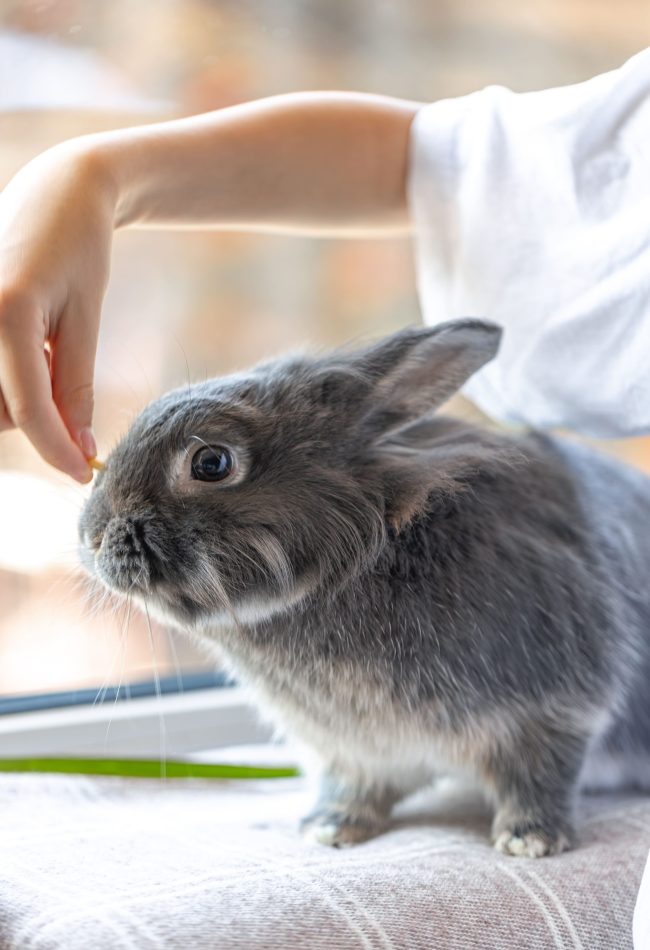
Why Rabbits Hide Pain So Well
Rabbits are prey animals by nature. In the wild, showing weakness makes them vulnerable to predators.
As a result, rabbits instinctively hide pain and illness for as long as possible.
This means:
- Symptoms appear late
- Behaviour changes are subtle
- Owners may miss warning signs completely
Because of this, regular professional checks become extremely important as a preventive safety measure.
Routine grooming sessions help monitor coat condition, skin health, body cleanliness, and behavioural changes that may indicate hidden discomfort.
Breeds Most at Risk for Dental Problems
Some rabbit breeds naturally face higher dental risks due to skull shape and jaw structure.
Lop-Eared Rabbits
Lop breeds are among the most commonly affected.
Their shorter skull shape and altered jaw structure increase the likelihood of tooth alignment issues.
This makes proper lop-eared rabbit care UAE especially important for long-term health.
Dwarf Rabbit Breeds
Dwarf rabbits also have compact jaw structures that may not align perfectly.
This increases the risk of:
- Tooth overcrowding
- Uneven wear
- Overgrowth
Owners of smaller breeds should monitor dental health closely even if symptoms seem mild.
The Strong Connection Between Diet and Dental Health
Diet plays one of the biggest roles in maintaining healthy rabbit teeth.
The most important food for rabbits is hay.
Hay provides:
- Natural tooth wear
- Fibre for digestion
- Continuous chewing activity
Without enough hay, rabbit teeth do not grind down properly.
Why Pellet-Only Diets Cause Problems
Many owners rely too heavily on pellets because rabbits enjoy them.
However, pellets require very little chewing compared to hay.
This means:
- Teeth wear down less effectively
- Overgrowth risk increases
- Digestive balance may suffer
A healthy rabbit diet should always prioritize unlimited hay as the primary food source.
Proper nutrition is one of the most important foundations of long-term rabbit dental health.
What Groomers Notice During Rabbit Grooming Sessions
Professional groomers often spot warning signs that owners miss during everyday interaction.
During a rabbit grooming service UAE, groomers may notice:
- Drool-stained fur under the chin
- Difficulty grooming certain areas
- Dirty bottom fur
- Reduced mobility while cleaning
- Matted fur around the face
- Sensitivity near the mouth
Because groomers physically handle and inspect the rabbit closely, subtle changes become easier to detect.
This makes grooming appointments an important part of preventive rabbit care.
What Groomers Can Flag vs What Only a Vet Can Treat
It is important to understand the difference between grooming support and veterinary treatment.
A groomer can:
- Identify warning signs
- Monitor coat and hygiene condition
- Notice behavioural changes
- Recommend veterinary attention
However, groomers cannot:
- Diagnose dental disease
- Trim internal teeth medically
- Prescribe treatment
- Handle infections or surgery
If signs of severe dental problems appear, a veterinarian should always take over treatment immediately.
How Grooming Helps Rabbits Stay Comfortable During Dental Issues
Even when a rabbit develops dental disease, grooming still plays an important supportive role.
Rabbits struggling with mouth pain often stop maintaining hygiene properly.
Professional grooming helps:
- Keep fur clean and dry
- Prevent matting
- Reduce skin irritation
- Clean drool-stained fur
- Maintain comfort around the bottom area
This supportive care becomes especially important during ongoing veterinary treatment.
Why Regular Grooming Matters for Rabbit Health
Routine grooming provides much more than coat maintenance.
It helps:
- Detect hidden health issues early
- Monitor changes in behaviour
- Maintain skin cleanliness
- Prevent fur matting
- Improve comfort and hygiene
For rabbit owners searching terms like professional rabbit grooming near me, choosing experienced groomers familiar with rabbit behaviour and health signals is extremely important.
Rabbits require gentle handling, careful observation, and stress-aware grooming techniques.
Conclusion
Rabbit dental disease is one of the most common yet overlooked health issues affecting pet rabbits today. Because rabbit teeth never stop growing, even small imbalances in diet or chewing habits can eventually lead to serious discomfort and long-term health complications.
The challenge is that rabbits naturally hide pain, making symptoms difficult to detect until the condition becomes advanced. Understanding common rabbit overgrown teeth signs, maintaining proper nutrition, and monitoring grooming habits all play an important role in protecting long-term rabbit dental health.
Professional grooming also provides an extra layer of preventive care. During regular rabbit grooming Dubai or rabbit grooming Sharjah sessions, trained groomers may notice subtle warning signs such as drooling, matted chin fur, poor self-grooming, or hygiene changes that owners often miss at home.
At The Wooferine, rabbit grooming services are designed with gentle handling and health awareness in mind. Every grooming session includes careful observation for hidden health concerns, helping rabbits stay clean, comfortable, and properly maintained while supporting overall wellbeing throughout the year.