
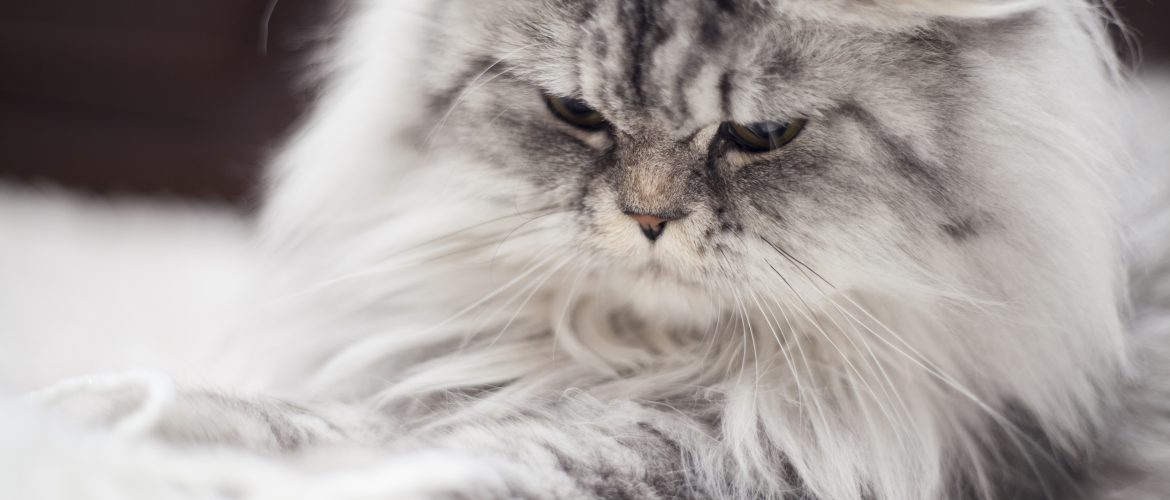
Cats are naturally clean animals, and because they groom themselves constantly, many owners assume their skin and coat are always healthy. But the reality is very different. Cats are experts at hiding discomfort, and many skin issues remain unnoticed for weeks or even months, especially in breeds with thick or long fur.
In Dubai, skin-related issues in cats are becoming increasingly common due to indoor living conditions, continuous air conditioning, low humidity, and environmental allergens. Unfortunately, many owners only discover a problem once hair loss, irritation, or infection becomes severe.
Understanding early warning signs is extremely important because skin health often reflects a cat’s overall well-being. Many hidden skin problems can lead to discomfort, stress, infections, or behavioural changes if left untreated.
This guide explains the most common cat skin problems Dubai pet owners should watch for, how to recognize hidden symptoms beneath the coat, the role of grooming in early detection, and why professional grooming support matters for long-term cat coat health that UAE households often overlook.
Why Cat Skin Problems Are So Easy to Miss
Unlike dogs, cats rarely show obvious signs of pain immediately. They instinctively hide discomfort as a survival behaviour. This means skin irritation can exist for a long time before owners notice visible symptoms.
Another reason skin issues are difficult to detect is the coat itself. Thick fur often hides redness, scabs, dandruff, or irritation beneath the surface. In long-haired breeds especially, problems may remain completely invisible unless the coat is separated carefully during brushing or grooming.
Cats also groom themselves constantly, which can make skin problems appear less noticeable initially. Excessive licking may temporarily flatten the fur over irritated areas, further hiding the condition.
This is why many hidden cat health issues are first discovered during professional grooming sessions rather than at home.
Normal Grooming vs Signs of Skin Distress
Cats naturally groom themselves every day. Grooming helps regulate body temperature, remove loose fur, and maintain cleanliness.
However, there is a difference between healthy grooming behaviour and grooming caused by irritation or discomfort.
Normal grooming usually:
- Happens calmly throughout the day
- Focuses evenly across the body
- Does not create bald patches
- Leaves the coat soft and smooth
Skin distress grooming often looks different.
Cats experiencing irritation may:
- Lick one area excessively
- Bite or scratch repeatedly
- Suddenly become sensitive to touch
- Groom aggressively or obsessively
- Pull the fur out over time
When grooming becomes excessive or targeted toward one area repeatedly, it may indicate underlying cat skin conditions that require attention.
7 Hidden Warning Signs to Check During Brushing
Brushing your cat regularly is one of the easiest ways to detect skin issues early. It allows owners to inspect areas hidden beneath the fur before conditions worsen.
Here are seven warning signs that should never be ignored.
1. Bald Patches
Hair loss is often one of the earliest visible signs of skin irritation.
Bald spots may appear due to:
- Allergies
- Excessive licking
- Fungal infections
- Stress-related grooming
- Parasites
Even small patches can indicate deeper cat dermatitis or allergic reactions.
2. Scabs or Crusty Areas
Tiny scabs hidden under the coat are common signs of irritation or allergic skin reactions.
These may feel like small bumps while brushing.
Scabbing is often linked to:
- Flea allergies
- Dermatitis
- Skin infections
- Excessive scratching
Unlike simple dandruff, scabs usually require veterinary attention.
3. Redness or Inflamed Skin
Healthy cat skin should look pale pink or neutral, depending on pigmentation.
Red or irritated areas often indicate:
- Allergies
- Overgrooming
- Irritation from products
- Infections
Persistent redness is one of the more serious cat skin allergy signs that owners should monitor carefully.
4. Dandruff or Flaky Skin
White flakes in the fur are not always harmless.
Mild dandruff may happen due to dry indoor air, but excessive flaking may signal:
- Dehydration
- Poor grooming habits
- Allergies
- Skin imbalance
In Dubai, dry indoor environments caused by AC systems commonly contribute to flaky skin and poor cat coat health, which UAE owners often notice during seasonal changes.
5. Greasy or Oily Coat Texture
A greasy coat usually indicates the skin is producing excess oil due to an imbalance or irritation.
Cats with oily fur may appear:
- Clumped
- Sticky
- Flat-coated
- Dirty-looking even after grooming
This can happen due to obesity, poor self-grooming, fungal conditions, or underlying skin disease.
6. Bumps or Lumps Under the Fur
During brushing, owners sometimes feel small bumps beneath the coat.
These may be caused by:
- Skin infections
- Allergic reactions
- Cysts
- Parasite bites
- Inflammation
Because thick fur hides surface changes, these bumps are often missed completely without regular grooming.
7. Unusual Odour
Healthy cats usually have little to no strong body odour.
A persistent smell coming from the coat may indicate:
- Yeast growth
- Bacterial infection
- Skin inflammation
- Poor skin health
Strong odour combined with greasy fur or redness should never be ignored.
Common Cat Skin Conditions Owners in Dubai Often Miss
Several cat skin conditions are particularly common in indoor cats living in Dubai.
Flea Allergy Dermatitis
Some cats are highly sensitive to flea saliva. Even a single flea bite can trigger severe itching and irritation.
Symptoms include:
- Excessive scratching
- Scabs near the tail or neck
- Hair loss
- Red irritated skin
This condition is often mistaken for simple itching initially.
Ringworm
Despite the name, ringworm is a fungal infection, not a worm.
It causes:
- Circular bald patches
- Flaky skin
- Broken fur
- Irritation
Because ringworm spreads easily, early detection is important.
Feline Acne
Cats can develop acne around the chin area.
Signs include:
- Black specks
- Small bumps
- Swelling around the chin and lips
This condition is more common than many owners realize.
Dry Skin from Air Conditioning
Continuous indoor AC exposure is one of the leading causes of dryness-related cat skin problems that Dubai residents encounter.
Low indoor humidity can weaken the skin barrier, leading to:
- Flaking
- Irritation
- Excess grooming
- Dull coat texture
Miliary Dermatitis
This condition appears as multiple tiny scabs across the skin.
It is commonly linked to:
- Allergies
- Parasites
- Skin hypersensitivity
Owners often notice the bumps before seeing visible redness.
Why Dubai’s Climate Affects Cat Skin Differently
Dubai’s indoor environment creates unique skin-care challenges for cats.
Most cats spend the majority of their time indoors under constant air conditioning. While this keeps temperatures comfortable, it also reduces indoor humidity significantly.
Low humidity dries out the skin over time, especially in cats with thick coats.
Dust particles in the environment can also trigger mild allergic reactions or irritation in sensitive cats.
This combination of dry indoor air and environmental exposure is one reason cat skin problems in Dubai pet owners encounter are becoming more common.
Cats Most at Risk for Hidden Skin Problems
Long-haired and dense-coated breeds face higher risks because their fur traps moisture, oils, and debris more easily.
High-risk breeds include:
- Persians
- Maine Coons
- Ragdolls
- British Longhairs
These cats require more frequent brushing and professional maintenance to support proper cat coat health, and UAE owners often struggle to maintain it alone.
How Professional Groomers Detect Problems Early
Professional groomers often identify skin problems before owners notice any unusual changes.
During cat grooming Dubai appointments, groomers physically separate the coat layer by layer, making it easier to spot hidden irritation.
They check for:
- Redness
- Scabs
- Dandruff
- Greasy patches
- Fur thinning
- Odours
- Skin texture changes
This detailed inspection helps detect hidden cat health issues early before they become more serious.
Cat Dandruff vs Scabbing: Knowing the Difference
One important distinction owners should understand is the difference between manageable dandruff and more serious lesions.
Dandruff
Usually appears as loose white flakes and may improve with hydration, grooming, or environmental changes.
Scabs or Lesions
Feel raised, crusty, or painful and often indicate infection, allergies, or inflammation requiring veterinary care.
If the skin appears broken, inflamed, or irritated, professional medical advice is necessary.
What Groomers Do During a Cat Grooming Session
Professional grooming sessions involve much more than bathing or brushing.
During a professional cat grooming session in Sharjah or Dubai, groomers typically:
- Examine the coat and skin condition
- Check for tangles or matting
- Inspect ears, eyes, and nails
- Look for irritation or abnormalities
- Remove loose undercoat fur
- Bathe using cat-safe products
- Dry the coat carefully to avoid moisture retention
The grooming process itself often reveals hidden issues owners would otherwise miss at home.
Why Regular Grooming Supports Long-Term Skin Health
Routine grooming helps:
- Remove trapped debris
- Improve airflow through the coat
- Reduce matting
- Detect skin issues early
- Improve overall coat condition
For long-haired breeds especially, regular grooming is essential for maintaining healthy skin underneath the fur.
Conclusion
Cats are extremely good at hiding discomfort, which is why skin problems often go unnoticed until they become more serious. Thick coats, excessive self-grooming, and subtle behavioural changes make early detection difficult without regular inspection.
Understanding common cat skin conditions, recognizing early cat skin allergy signs, and monitoring overall cat coat health in UAE households are often overlooked and can help prevent long-term discomfort and infections.
Professional grooming also plays an important role in identifying hidden cat health issues early. Groomers often spot redness, dandruff, scabs, unusual odours, or irritation long before symptoms become severe enough for owners to notice.
At The Wooferine, every cat grooming session includes a detailed coat and skin assessment to help detect early warning signs while keeping your cat comfortable, clean, and healthy. Whether your pet needs regular coat maintenance or a complete grooming session, their experienced team provides professional care designed specifically for cats living in the UAE climate.