
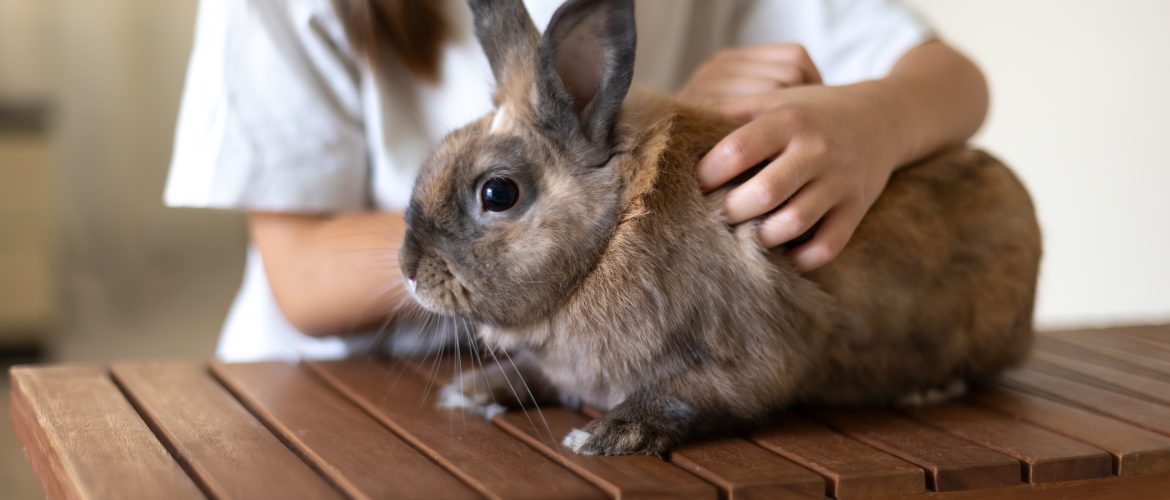
Rabbit grooming is often misunderstood. Because rabbits have soft, dense coats and regularly groom themselves, many owners assume that bathing them with water is simply another part of keeping them clean. In reality, routine water bathing is generally not recommended for rabbits and can create unnecessary health and safety risks.
Rabbits are naturally clean animals. They spend a considerable amount of time grooming themselves, and their coats can usually be maintained through appropriate brushing, coat care, and regular health checks. When a rabbit does need professional grooming, the goal should not be to make the coat wet and wash it like a dog or cat. Instead, professional Rabbit Grooming focuses on keeping the coat clean, free from mats, and comfortable while minimizing stress.
Understanding why rabbits should not be routinely bathed and what professional groomers do instead can help owners make safer decisions about their pet’s grooming routine.
Why Rabbits Should Not Be Bathed Like Other Pets
A rabbit’s body and behaviour are very different from those of dogs and cats. Water bathing can expose them to several unnecessary risks.
Rabbits Can Become Extremely Stressed
Rabbits are prey animals, so being restrained or placed in an unfamiliar situation can trigger a strong fear response.
Being placed into a tub or having water poured over the body may cause:
- Panic
- Struggling
- Rapid breathing
- Attempts to escape
- Excessive stress
A frightened rabbit can injure itself while trying to escape from a slippery surface or restraint.
For this reason, grooming should always prioritize calm handling and avoid unnecessary procedures.
Wet Fur Can Create Serious Problems
Rabbit coats are dense and can take considerably longer to dry than many owners expect.
When the fur remains wet for too long, the rabbit can become chilled. This is especially concerning because rabbits can be sensitive to sudden changes in temperature.
Drying Is Not as Simple as It Looks
Even after the visible surface appears dry, moisture can remain close to the skin or underneath dense areas of fur.
Trying to dry the coat aggressively can create another problem. High heat or excessive airflow can cause discomfort and may increase stress.
This is one of the reasons routine bathing is unnecessary and potentially risky.
A Rabbit’s Skin Needs Gentle Treatment
Rabbit skin is delicate, and excessive handling, rubbing, or unsuitable grooming products can cause irritation.
Using human shampoo, dog shampoo, household soaps, or other products not specifically intended for rabbits can disrupt the skin and coat.
Avoid Unnecessary Products
A healthy rabbit usually does not need fragranced products or regular shampooing to stay clean.
If a rabbit has a dirty or contaminated area, the appropriate approach depends on the cause and location of the problem. In some situations, veterinary advice may be more appropriate than attempting a full bath.
Rabbits Are Designed to Groom Themselves
One reason rabbits generally do not need bathing is that grooming is already an important part of their natural behaviour.
They regularly clean their fur and maintain their coats themselves.
However, self-grooming does not mean owners should completely ignore coat care.
Some rabbits need additional assistance, particularly when they have:
- Long or dense coats
- Excessive shedding
- Mats or tangles
- Reduced mobility
- Older age
- Difficulty grooming certain areas
This is where appropriate Rabbit Grooming becomes useful.
What Professional Groomers Do Instead of Bathing
Professional rabbit grooming is about maintaining the coat without exposing the animal to unnecessary water or stress.
Brushing and Combing
Regular brushing helps remove loose fur and prevent it from accumulating in the coat.
For rabbits that shed heavily, this can be particularly important.
Removing loose hair also helps reduce the amount of fur the rabbit may ingest while grooming itself.
Gentle Mat Removal
Mats can pull on the skin and become uncomfortable.
Professional groomers can assess tangled areas and determine the safest way to remove them.
Trying to cut close to the skin with household scissors can be dangerous because rabbit skin is delicate and can easily be caught accidentally.
Coat Trimming When Appropriate
Some rabbits may require limited trimming because of their coat type or persistent matting.
The objective should be practical coat management rather than unnecessary styling.
A professional should assess the rabbit’s coat before deciding whether trimming is appropriate.

Nail Care Is Part of Rabbit Grooming
Rabbit grooming is not limited to the coat.
Overgrown nails can become uncomfortable and may affect the way a rabbit moves.
Why Regular Nail Checks Matter
Long nails can:
- Catch on surfaces
- Break or split
- Affect movement
- Increase discomfort
- Make normal activity more difficult
Nail trimming requires care because rabbits have a blood vessel and nerve supply inside the nail known as the quick.
Cutting too far can cause bleeding and pain.
For owners who are unsure about nail length or positioning, professional assistance can be safer than attempting the procedure without experience.
Grooming Can Help Identify Coat and Skin Problems
Regular grooming provides an opportunity to notice changes that may otherwise be hidden beneath dense fur.
Look for Changes Such as:
- Bald patches
- Red or irritated skin
- Unusual lumps
- Persistent dandruff
- Parasites
- Sores
- Matted areas
- Unusual odours
Grooming does not replace veterinary care, but noticing changes early can help owners seek appropriate professional advice sooner.
If a rabbit’s coat suddenly becomes dirty, greasy, severely matted, or difficult to maintain, the underlying reason should also be considered rather than simply trying to wash the problem away.
What If a Rabbit Gets Dirty?
This is where many owners become unsure.
If a rabbit gets something on its coat, the first step should be identifying what caused the contamination and where it is located.
Small Localized Messes
A small, dirty area may sometimes be managed through careful cleaning of the affected area rather than bathing the entire rabbit.
Urine or Faecal Soiling
Repeated soiling around the rear end should not simply be treated as a grooming problem.
It may be associated with mobility difficulties, digestive issues, urinary problems, obesity, dental problems, or another health concern.
In these situations, veterinary assessment is important.
Chemical or Toxic Substances
If a rabbit’s coat has been contaminated with a potentially toxic substance, contact a veterinarian promptly rather than experimenting with household cleaning products.
The safest response depends on the substance involved.
Why DIY Rabbit Bathing Can Go Wrong
A common misconception is that a quick bath is harmless if the rabbit is dried afterward.
The problem is that several risks can occur during the process itself.
Slippery Surfaces
A rabbit may panic and struggle, increasing the risk of injury.
Sudden Temperature Changes
Wet fur can cause the rabbit to become chilled.
Excessive Stress
Fear and restraint can make grooming much more difficult.
Skin Irritation
Unsuitable products can irritate delicate skin.
Coat Problems
Dense fur may remain damp underneath even when the outer layer feels dry.
For these reasons, bathing should not be treated as a routine grooming solution for rabbits.
How Owners Can Support Healthy Rabbit Grooming at Home
Professional grooming is useful, but owners can also maintain a healthy routine between appointments.
Brush According to the Coat
Long-haired rabbits generally need more frequent coat maintenance than short-haired rabbits.
Check the Coat Regularly
Run your hands gently through the coat and look for tangles, mats, or unusual changes.
Monitor Shedding
During heavy shedding periods, more frequent brushing may be necessary.
Check the Rear Area
Make sure the area remains clean and dry. Persistent soiling should be discussed with a veterinarian.
Check the Nails
Regularly assess nail length and seek professional help if you are uncomfortable trimming them.
The objective is not constant grooming. It is consistent, gentle care that keeps the rabbit comfortable.
When Should a Rabbit See a Professional Groomer?
Professional grooming can be particularly helpful when a rabbit’s coat becomes difficult for the owner to manage.
Consider professional help when:
- Mats are developing
- The rabbit has a dense or long coat
- Shedding is heavy
- Nails have become overgrown
- The rabbit becomes difficult to handle
- You are unsure how to remove a mat safely
- Regular grooming has become challenging
A professional groomer should always handle rabbits calmly and use techniques appropriate for their size, coat, behaviour, and condition.
Choosing Safe Rabbit Grooming Over Cosmetic Grooming
The purpose of grooming should always be the rabbit’s comfort and well-being.
A healthy grooming routine does not need to involve bathing, fragrances, elaborate styling, or unnecessary products. Instead, it should focus on maintaining a clean, manageable coat while minimizing stress.
This is especially important with rabbits because their grooming needs are different from those of more commonly groomed pets.
When in doubt, owners should prioritize veterinary advice for health-related problems and professional grooming support for coat and nail maintenance.
A Better Approach to Rabbit Care
Rabbit grooming works best when it is preventive rather than reactive.
Instead of waiting until a coat becomes severely tangled or dirty, regular brushing and simple checks can help identify problems earlier.
The most useful routine is often straightforward:
Check the coat → remove loose fur → prevent mats → monitor the skin → maintain nails → seek help when needed.
There is rarely a reason to add unnecessary bathing to that routine.
For rabbits, keeping grooming simple can actually be the safer choice.
Conclusion
Rabbits do not need regular baths to stay clean, and putting them through a full water bath can create risks that outweigh any perceived cleaning benefit. Wet fur, stress, slippery surfaces, chilling, and unsuitable grooming products can all make bathing an unsafe choice.
Professional Rabbit Grooming takes a different approach. Brushing, careful mat removal, appropriate trimming, nail care, and routine coat checks can help maintain a rabbit’s hygiene and comfort without subjecting it to unnecessary bathing.
The Wooferine understands that rabbits require a gentler and more specialized grooming approach. Its professional pet grooming services are focused on providing appropriate care based on the individual pet, helping owners maintain their rabbit’s coat, hygiene, and overall grooming needs with greater confidence.
Dental health is part of that care too; see our guide on rabbit dental health for signs groomers are trained to watch for.