
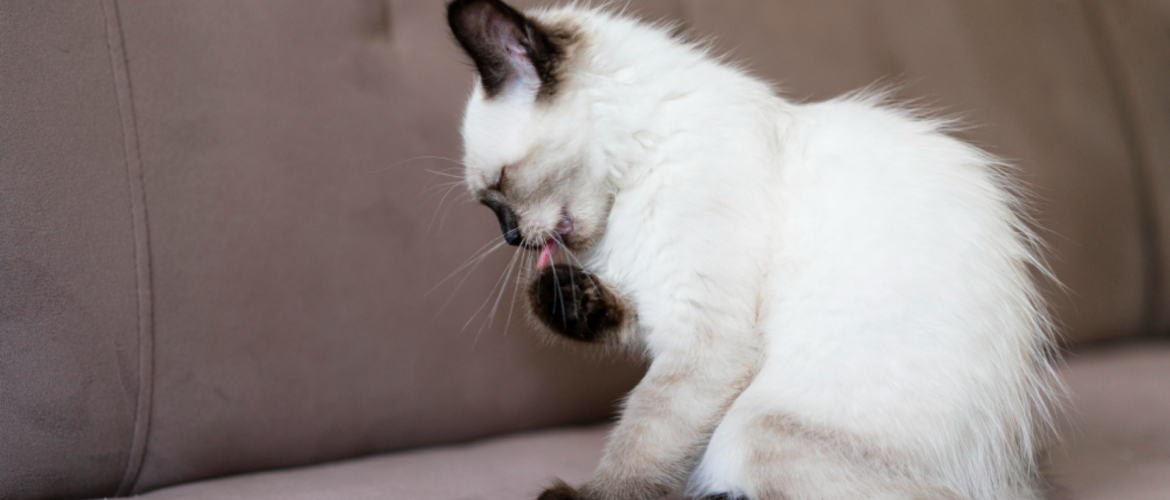
If you have noticed your cat grooming itself more than usual, you are not alone. Many cat owners see their pets licking, chewing, and cleaning themselves often and wonder whether this is normal or a sign of a problem. This blog explains why your cat might be grooming more than normal, what causes this behavior, signs to look out for, and when you should be concerned and seek help. By the end of this article, you will better understand your cat’s grooming habits and how to keep them healthy and happy.
Understanding Normal Cat Grooming
Cats are naturally clean animals. Grooming helps them keep their fur tidy, remove dirt, and cool down in warm weather. A healthy cat usually spends about 30 to 50 percent of its day grooming itself.
Normal grooming helps:
- Remove loose hair and dirt
- Reduce fleas and pests
- Cool down the body
- Spread natural oils for healthy skin and fur
However, when grooming becomes excessive, it may be a sign that something is wrong.
What Is “Excessive Grooming”?
Excessive grooming means your cat is grooming more than usual and it starts to affect its well-being. Examples include:
- Constant licking in one area
- Bald patches on the skin
- Red or irritated skin
- Chewing or biting at their fur
- Grooming that interferes with sleep and eating
If you notice these behaviors, it’s time to understand what might be causing them.
Common Causes of Increased Grooming
There are many reasons why your cat might groom more than usual. Some causes are harmless, while others may require attention from a vet.
1. Stress and Anxiety
Just like humans, cats can feel stress. Changes in the home such as new people, loud noises, moving places, or new pets can make them anxious. Cats often groom more when they are stressed.
Signs of stress-related grooming:
- Grooming only one part of the body
- Restlessness or hiding
- Loss of appetite
2. Fleas and Parasites
One of the most common reasons for extra grooming is fleas or external parasites. Even a small number of fleas can make cats irritated and cause them to lick or bite themselves more.
Look for:
- Small black specks on fur (flea dirt)
- Red, angry skin
- Tiny moving bugs in the coat
If you suspect fleas, talk to your vet about proper flea treatment.
3. Allergies
Cats can be allergic to:
- Food ingredients
- Pollen and dust
- Household cleaners
- Certain fabrics
Allergies can make the skin itchy and uncomfortable. When your cat feels itchy, it will groom more often in an attempt to relieve the irritation.
Signs of allergies include:
- Frequent scratching
- Sneezing
- Watery eyes
-
4. Skin Infections and Conditions
Bacterial or fungal infections can make your cat’s skin sore and itchy. Conditions like dermatitis or ringworm can cause excessive grooming.
If your cat has:
- Bald spots
- Scaly or flaky skin
- Strong smell from the skin
It’s time for a vet visit.
5. Dry Skin
Dry air, especially in winter or in indoor environments with air conditioning, can dry out a cat’s skin. Dry skin causes itchiness and leads to more grooming.
Ways to help dry skin:
- Proper hydration
- Omega-3 supplements (after vet approval)
- Humidifier at home
Signs That Grooming Is a Problem
Sometimes extra grooming is a sign that your cat needs medical help. Watch out for the following:
Physical Signs
- Bald patches
- Red or inflamed skin
- Open wounds or sores
- Scabs or bleeding
Behavioral Signs
- Irritation when touched
- Lethargy or low energy
- Loss of appetite
- Aggressive behavior
If you see these signs, don’t wait. Consult your vet as soon as possible.
What You Can Do at Home
Here are some simple steps you can take to help your cat feel more comfortable:
Check for Fleas
Use a flea comb and look for small black pepper-like specks on the fur.
Keep Your Cat’s Environment Calm
Reduce loud noises, keep playtimes regular, and create a safe space for your cat.
Groom Your Cat Regularly
Brushing your cat helps reduce loose hair and prevents matting.
Monitor Diet
Talk to your vet about food that suits your cat’s needs, especially if you suspect allergies.
Provide Fresh Water
Hydration supports healthy skin and reduces dryness.
When to Visit the Vet
It’s always a good idea to watch your cat’s behavior, but some situations require professional help. Visit a vet if:
- Your cat is grooming to the point of losing fur
- There are open sores or infection signs
- Your cat’s grooming affects eating or sleeping
- Grooming behavior suddenly increases
A vet can run tests to determine parasites, allergies, or skin conditions and give proper treatment.
How Grooming Affects Overall Health
Excessive grooming can lead to:
- Skin infections
- Pain and discomfort
- Hair loss
- Behavior changes
On the other hand, normal grooming helps your cat stay clean, healthy, and stress-free. Paying attention to grooming habits is a key part of good cat care.
Conclusion
Understanding your cat’s grooming patterns helps you keep them in good health. Grooming is natural, but when it becomes excessive, it could signal problems like stress, fleas, allergies, skin irritation, or other health issues. Always watch for changes and don’t hesitate to consult your vet when needed.
Keeping your cat healthy means watching their habits closely and acting early. With the right care and attention, you can help your cat stay comfortable, happy, and well-groomed.
For expert advice and quality pet care products that support your cat’s grooming needs, trust The Wooferine to help you take the best care of your beloved companion.