
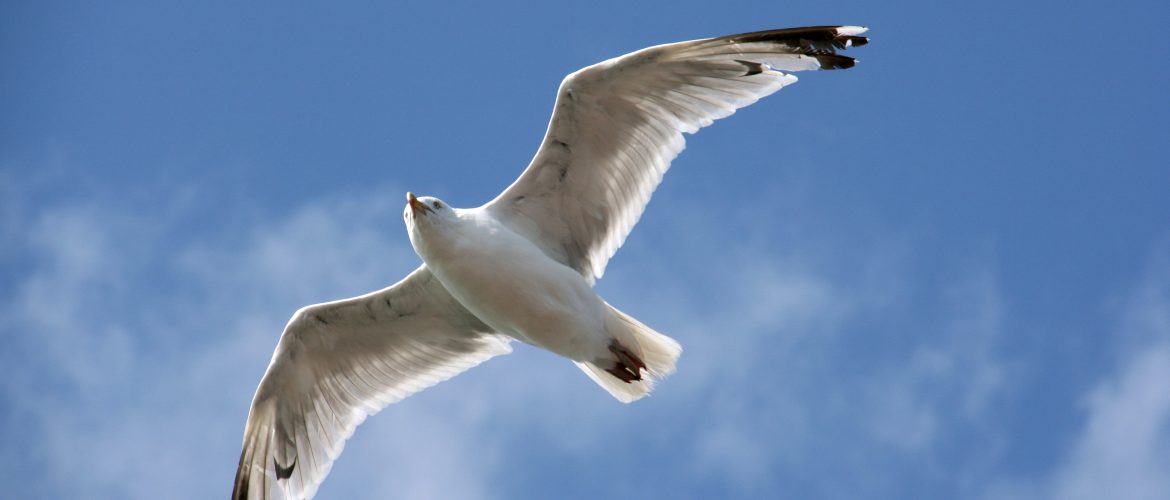
Birds are naturally designed for flight. Their wings allow them to move freely, explore their surroundings, and express natural behaviors. However, for pet birds living in homes, flight can sometimes create safety concerns. Open doors, windows, ceiling fans, unfamiliar environments, and outdoor risks can put birds in dangerous situations.
This is where wing clipping is often discussed among bird owners. Wing clipping is a common grooming practice that involves carefully trimming certain flight feathers to reduce a bird’s ability to fly at full speed or gain height.
While some owners consider wing clipping for safety reasons, it is important to understand what the process involves, when it may be appropriate, and how it affects your bird’s daily life.
With proper knowledge and professional care, bird owners can make informed decisions that support their pet’s health, comfort, and wellbeing.
What Is Wing Clipping?
Wing clipping is the process of trimming selected flight feathers on a bird’s wings. These feathers are responsible for generating lift and controlling flight.
The goal is not to stop a bird from moving or prevent natural behaviors. Instead, a properly performed wing clip is intended to reduce flight ability while allowing the bird to move safely.
A bird with clipped wings can usually still:
- Walk and climb
- Balance on perches
- Stretch its wings
- Move around comfortably
The feathers that are trimmed will naturally grow back during the bird’s next molt, meaning wing clipping is not permanent.
Why Do Some Bird Owners Consider Wing Clipping?
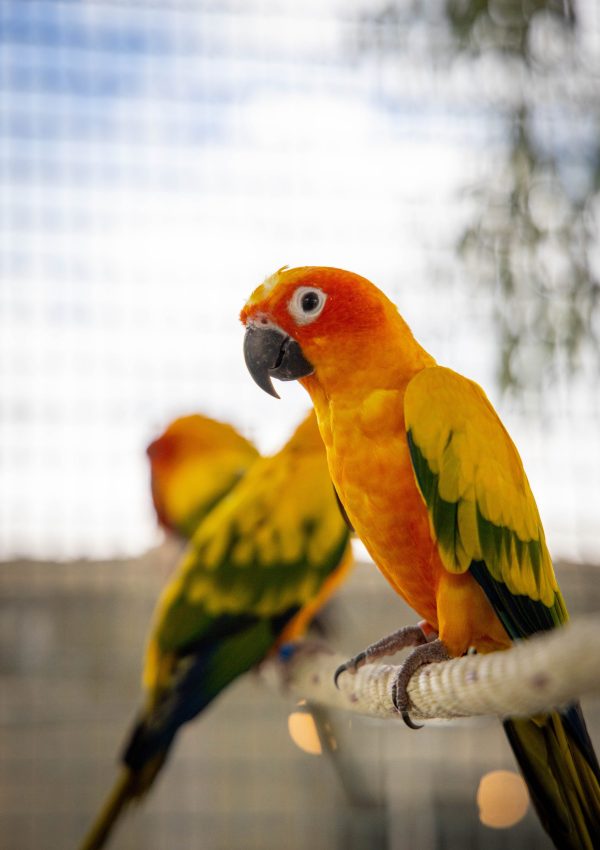
Every bird and living environment is different. Some birds adapt well to indoor life, while others are highly active and curious.
Wing clipping may be considered for safety reasons, especially in situations where a bird may face risks.
Common reasons include:
Preventing Accidental Escapes
One of the biggest concerns for indoor birds is escaping through open doors or windows.
A bird that suddenly flies outside may become difficult to recover, especially in unfamiliar surroundings.
For some households, reducing flight ability can provide an extra layer of safety while owners work on training and environmental control.
Reducing Household Risks
Homes often contain hidden dangers for birds, such as:
- Open kitchens
- Hot surfaces
- Mirrors and glass windows
- Fans
- Other pets
- Unsafe objects
A bird that flies unexpectedly may accidentally injure itself.
Helping During Training Periods
Some bird owners use wing clipping temporarily while building trust and teaching basic behaviors.
It can make handling easier while the bird learns routines such as:
- Step-up training
- Returning to the cage
- Safe interaction
However, positive reinforcement and a safe environment remain important parts of bird care.
Is Wing Clipping Necessary for Every Bird?
No. Wing clipping is not suitable or necessary for every bird.
Many bird owners choose to keep their birds fully flighted by creating a safer environment and using training methods.
The decision depends on factors such as:
- Bird species
- Personality
- Home environment
- Owner experience
- Safety concerns
Some birds may benefit from remaining able to fly because flight provides exercise and mental stimulation.
A balanced approach considers both safety and the bird’s natural needs.
Understanding the Wing Clipping Process
Wing clipping should always be performed carefully by someone who understands bird anatomy and feather growth.
The process involves trimming specific flight feathers, usually on both wings, to maintain balance.
A proper wing clip should:
- Avoid cutting growing blood feathers
- Maintain the bird’s ability to glide safely
- Prevent imbalance
- Avoid unnecessary stress
Incorrect clipping can cause problems such as:
- Poor balance
- Hard landings
- Increased injury risk
- Fear or discomfort
This is why professional bird grooming is recommended instead of attempting the process without proper knowledge.
What to Expect After Wing Clipping
After wing clipping, your bird may need some time to adjust.
Many birds behave normally after a short adjustment period, but some changes can occur.
Changes in Flight Ability
The most noticeable change is reduced flight strength.
Your bird may:
- Fly shorter distances
- Lose height faster
- Glide instead of flying normally
This means you may need to adjust your bird’s environment.
For example:
- Lower perches may be helpful
- Remove dangerous landing areas
- Provide safe climbing options
Changes in Confidence
Some birds may feel slightly different after their first wing clip because flying is a major part of their movement.
Give your bird time and avoid forcing interactions.
A calm and supportive approach helps them adjust comfortably.
How to Keep a Clipped Bird Active
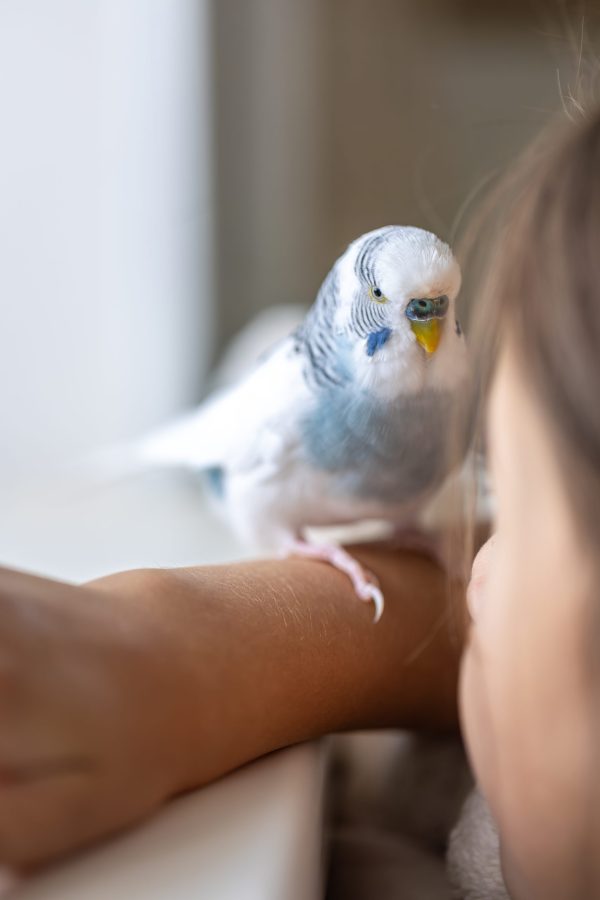
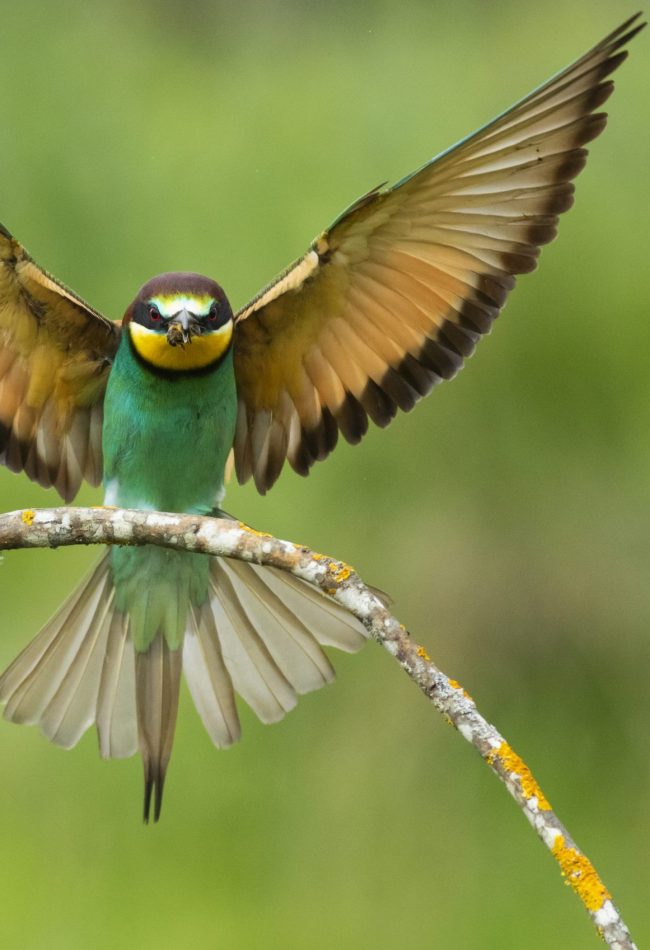
Even with reduced flight ability, birds still need exercise and enrichment.
Mental stimulation and physical activity are essential for a healthy pet bird.
You can support your bird by providing:
Interactive Toys
Bird-safe toys encourage natural behaviors such as:
- Exploring
- Chewing
- Problem-solving
Climbing Opportunities
Perches, ladders, and play areas allow birds to stay active without relying only on flight.
Social Interaction
Many birds are social animals and need regular interaction to stay emotionally healthy.
Talking, training, and supervised playtime help strengthen the bond between birds and their owners.
Common Mistakes to Avoid
Wing clipping requires care and understanding. Some common mistakes can affect a bird’s comfort and safety.
Cutting Too Many Feathers
Over-clipping can make it difficult for a bird to control movement.
A bird should still be able to move safely.
Clipping Only One Wing
Clipping one side can create imbalance and make flying attempts unsafe.
Both sides should be considered to maintain stability.
Ignoring the Bird’s Environment
A clipped bird still needs a safe home setup.
Even birds with reduced flight ability can climb, jump, and move quickly.
Using Incorrect Tools
Using unsuitable tools or techniques can damage feathers or hurt the bird.
Professional grooming helps avoid unnecessary risks.
When Should Wing Clipping Be Avoided?
There are situations where wing clipping may not be the best choice.
Extra care should be taken with:
- Young birds still learning flight skills
- Birds recovering from health issues
- Birds that rely on flight for exercise
- Nervous birds that may become stressed
Flight is important for muscle development and coordination, especially in younger birds.
A proper assessment helps determine what is best for each individual bird.
The Importance of Regular Bird Grooming
Bird care involves much more than feeding and providing a cage. Regular grooming supports comfort, hygiene, and overall wellbeing.
Professional bird grooming may include:
- Feather care
- Nail trimming
- Beak maintenance
- General wellness checks
Routine care helps identify possible issues early and keeps birds comfortable.
Make Bird Care Easier with The Wooferine
Caring for a pet bird requires attention to safety, health, and individual needs. Wing clipping decisions should always focus on creating a safe and comfortable life for your feathered companion.
At The Wooferine, we provide professional bird grooming and care services designed to support the wellbeing of your pets. Our approach focuses on safe handling, proper grooming practices, and helping pet owners maintain healthy routines.
Whether your bird needs grooming support or you want guidance on proper pet care, explore our services today and give your companion the care they deserve.
Conclusion
Wing clipping is a grooming practice that requires careful consideration. While it may help some birds stay safer in specific home environments, it should always be approached with proper knowledge and attention to the bird’s needs.
Understanding the process, knowing what to expect, and maintaining a safe environment can help ensure your bird remains comfortable and healthy.
With the right care and professional support from The Wooferine, bird owners can make informed choices that protect their pets while respecting their natural behaviors.