
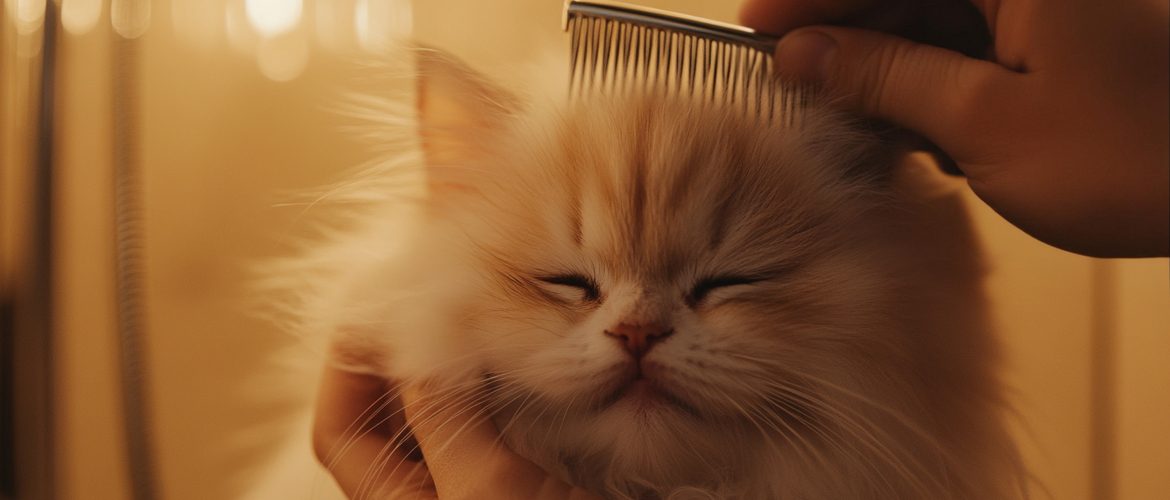
If you’ve ever owned a cat, you’ve probably noticed how much time they spend licking, cleaning, and grooming themselves. In fact, cats can spend up to 30–50% of their waking hours grooming. This naturally raises a common question among pet owners:
Do cats really need grooming if they clean themselves?
The answer might surprise you. While cats are excellent self-groomers, they still require human assistance to maintain their overall health and well-being. Understanding the real cat grooming benefits can completely change how you care for your feline companion.
Why Cats Groom Themselves So Much
Cats are naturally clean animals. Their tongues are covered with tiny, hook-like structures that act like a brush, helping them remove dirt, loose fur, and debris from their coat.
Self-grooming helps cats:
- Remove dirt and parasites
- Spread natural oils for a shiny coat
- Regulate body temperature
- Improve blood circulation
- Reduce stress and stay relaxed
This built-in grooming system is incredibly effective, but it’s not perfect.
The Truth: Self-Grooming Isn’t Enough
Despite their impressive grooming habits, cats cannot fully take care of all their grooming needs on their own.
Experts agree that while cats groom themselves regularly, they still require assistance, especially in certain situations.
Here’s why:
1. Cats Can’t Reach Every Area
Even the most flexible cat struggles to groom certain areas, like:
- Behind the ears
- Under the chin
- Lower back
- Base of the tail
These neglected areas can collect dirt, oil, and even parasites over time.
2. Loose Hair Leads to Hairballs
When cats groom themselves, they swallow loose fur. This often leads to hairballs, which can cause discomfort and digestive issues.
Regular brushing removes excess hair before your cat ingests it, which is one of the most important benefits of cat grooming.
3. Matting Can Become a Serious Problem
Long-haired cats, in particular, are prone to matting. Mats are not just cosmetic, but they can:
- Pull on the skin
- Cause pain
- Trap dirt and bacteria
- Lead to infections
Even short-haired cats can develop mats if grooming is neglected.
4. Grooming Helps Detect Health Issues Early
One of the most overlooked cat grooming benefits is early health detection.
During grooming, you may notice:
- Lumps or swelling
- Skin infections
- Parasites like fleas
- Cuts or wounds
Early detection can make a huge difference in your cat’s health.
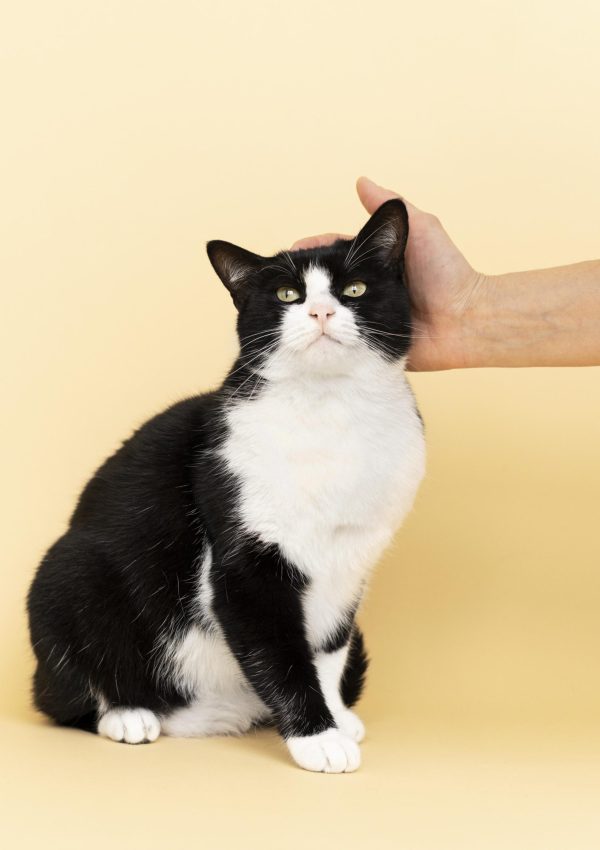
Cat Grooming Benefits You Shouldn’t Ignore
If you think grooming is just about appearance, think again. Regular grooming offers multiple health and lifestyle benefits for your cat.
Healthier Skin and Coat
Brushing distributes natural oils evenly, keeping the coat shiny and the skin nourished.
Reduced Shedding
Regular grooming significantly reduces loose fur around your home.
Better Circulation
Grooming stimulates blood flow, improving overall skin and muscle health.
Stronger Bond With Your Pet
Grooming is not just care, but it’s a connection. It builds trust and strengthens your relationship with your cat.
Less Stress for Your Cat
Gentle grooming can have a calming effect, similar to how cats groom themselves to relax.
Do All Cats Need the Same Grooming?
Not all cats have the same grooming needs. The level of care depends on their breed, coat type, and health.
Short-Haired Cats
- Generally low maintenance
- Still benefits from weekly brushing
- Need help during shedding seasons
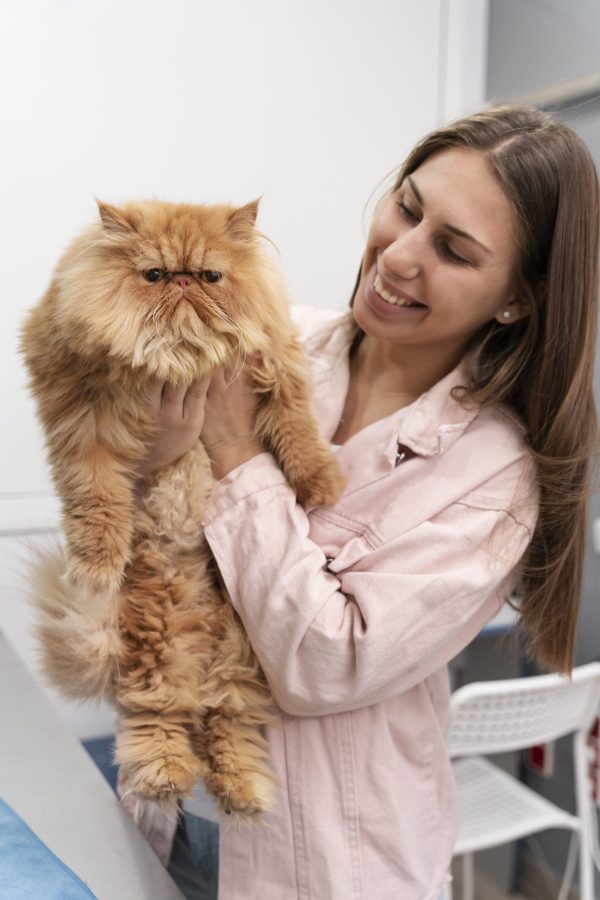
Long-Haired Cats
- Require daily grooming
- Highly prone to tangles and mats
- More likely to need professional grooming
Hairless Cats
Surprisingly, hairless breeds need grooming too. Without fur to absorb oils, their skin can become greasy and prone to irritation, requiring regular cleaning.
When Professional Grooming Becomes Necessary
While basic grooming can be done at home, some situations require professional care.
You should consider professional grooming if:
- Your cat has severe matting
- Your cat resists grooming or becomes aggressive
- There are hygiene issues (like dirty fur or odor)
- Your cat is elderly or has mobility issues
- You need services like nail trimming or sanitary trimming
Professional groomers are trained to handle cats safely and efficiently, reducing stress for both the pet and the owner.
Common Myth: Cats Don’t Need Baths
It’s true that most cats don’t need frequent baths. However, there are exceptions.
Cats may need bathing if:
- They get into something dirty or toxic
- They have skin conditions
- They are unable to groom themselves properly
- They are hairless breeds
The key is not overdoing it but grooming is all about balance, not replacing their natural behavior.
How Often Should You Groom Your Cat?
A simple guideline:
- Short-haired cats: Once a week
- Long-haired cats: Daily
- Shedding seasons: Increase frequency
Consistency is more important than intensity. Short, regular grooming sessions work best.
Signs Your Cat Needs Grooming Help
Watch out for these signs:
- Excessive shedding
- Visible mats or tangles
- Dull or greasy coat
- Bad odor
- Frequent hairballs
- Changes in grooming behavior
If you notice any of these, it’s time to step in.
Final Thoughts
So, do cats really need grooming if they clean themselves?
Yes, absolutely.
While cats are naturally excellent groomers, they cannot handle everything on their own. Understanding the true cat grooming benefits shows that grooming is not just about cleanliness, but it’s about health, comfort, and overall well-being.
From preventing hairballs and matting to detecting health issues early, regular grooming plays a vital role in your cat’s life.
For pet owners who want safe, stress-free grooming for their feline companions, The Wooferine offers professional care customized to your pet’s needs, ensuring your cat stays healthy, comfortable, and beautifully maintained.